As an Amazon Associate, we earn from qualifying purchases. Some links on this site are affiliate links at no extra cost to you. Our recommendations are based on thorough research and editorial judgment.


Sleep and Immunity: Cytokines, T-Cells, and Overnight Restoration

Sleep substantially affects immunity by enhancing T-cell function and managing cytokine production. Aim for 7 to 9 hours of quality sleep nightly to support immune health. Inadequate sleep lowers T-cell performance and increases harmful pro-inflammatory cytokines, weakening immune responses. To improve sleep, maintain a regular schedule, create a calming sleep environment, and limit screen time before bed. Understanding these relationships may reveal additional insights into boosting immune effectiveness naturally during nightly rest.
Key Takeaways
- Quality sleep of 7 to 9 hours enhances T-cell migration to lymph nodes, improving immune responses.
- Sleep deprivation increases pro-inflammatory cytokines, leading to heightened inflammation and weakened immunity.
- Adequate sleep boosts T-cell functionality and enhances antibody responses, improving vaccination efficacy.
- Hormones released during sleep support T-cell activity and overall immune function.
- Maintaining a consistent sleep schedule and sleep-friendly environment significantly improves sleep quality and immune health.
The Role of Sleep in Immune Function
You may be interested


Sleep greatly impacts immune function. Quality sleep enhances the body’s defense mechanisms, particularly among T cells. During restful sleep, T cells migrate effectively to lymph nodes, improving adaptive responses. Aim for 7 to 9 hours of sleep each night to support health. Sleep deprivation hinders this process, reducing T-cell efficiency and increasing pro-inflammatory cytokines like IL-6, TNF-α, and IL-1. This imbalance can weaken the immune response, making one more prone to infections. Hormones such as growth hormone and prolactin, which are released during sleep, are crucial for promoting T-cell migration. Furthermore, maintaining an optimal humidity level can further enhance sleep quality and, consequently, immune function. Prioritize sleep to guarantee adequate immune function. Establish a consistent sleep routine, avoid screens before bedtime, and create a calming environment to boost overall health.
Impact of Sleep Deprivation on Cytokine Production

When individuals do not get enough sleep, their bodies respond by increasing the production of pro-inflammatory cytokines. Sleep deprivation raises levels of cytokines like IL-6 and TNF-α, which can harm immune responses. This heightened cytokine production leads to inflammation, weakening overall immune function. Chronic lack of sleep can alter immune balance, promoting a T1 response while diminishing T2. Results show reduced antibody responses to vaccines, increasing susceptibility to infections. Avoiding sleep deprivation is essential for maintaining healthy cytokine levels. Adequate rest enables effective immune regulation, ensuring the body can respond properly to threats. Aim for at least 7 to 9 hours of sleep each night to support normal cytokine production and overall immune health. Integration of automation for energy efficiency in your bedroom environment can also promote better sleep hygiene and overall wellbeing.
Recommended Products

ENHANCED COOLING GEL TECHNOLOGY – This thick cooling gel pillow features a premium Technogel layer combined with ventilated memory foam to pull heat away from your head and neck. Its breathable structure keeps side, back, and stomach sleepers refreshingly cool all night.

ERGONOMIC SUPPORT: Our memory foam pillow provides spinal alignment and pressure relief with a ventilated design ideal for any sleep position. Ideal as a side, back, and stomach sleeper pillow, it's the ultimate choice for pillows for sleeping.

Cool Made Cooler: No more sleepless nights. Coop's newest bed pillow is thoughtfully designed to beat the heat & give you the coolest, most comfortable sleep ever. Experience "drier," deeper & more restorative sleep with Coop's Cool+ Pillow.
T-Cell Activity and Its Relation to Sleep

T-cell activity plays a significant role in the immune response, especially following sleep. Adequate sleep duration of seven to nine hours is essential for ideal T-cell functionality. During sleep, T cells increase their migratory potential to lymph nodes, initiating adaptive immune responses. This movement is stimulated by hormones like growth hormone and prolactin. When sleep is disrupted or shortened, T-cell activity declines, reducing the immune system’s effectiveness. Sleep deprivation can diminish antibody responses to vaccinations and elevate susceptibility to infections. In addition, sleep influences the balance between T1 and T2 immune responses, often promoting stronger T1 activity after rest. Prioritize quality sleep to support your immune system and enhance T-cell performance effectively. Moreover, the body’s increased muscle tension relief during restful sleep can further aid overall recovery and immune function.
Recommended Products

Ergonomic Support & Comfort: Designed with a high-density foam base & breathable comfort foam layer, this memory foam mattress adapts to your body for superior support. It evenly distributes weight, reduces pressure points, and enhances relaxation.

FuelCell foam delivers a propulsive feel to help drive you forward

【Advanced 5-Zone Support System】Provide targeted support for your head, shoulders, lower back, thighs, and feet with our upgraded 5-zone independent pocket spring system, ensuring even weight distribution and promoting proper alignment of the spine. This will help relieve back pain exceptionally well
Consequences of Inadequate Sleep on Vaccination Responses

Inadequate sleep impairs the body’s ability to respond effectively to vaccinations. Sleep deprivation diminishes the antibody response, increasing susceptibility to infections. This condition also disrupts hormonal signaling essential for T-cell migration to lymph nodes. Without proper T-cell movement, adaptive immune responses suffer. Additionally, studies indicate that sleep-deprived individuals have reduced cytokine secretion, which mediate immune regulation and vaccination efficacy. This imbalance can affect the overall effectiveness of vaccines. Aiming for seven to nine hours of consistent sleep improves immune cell function, particularly T-cells. Better sleep can enhance humoral immunity, crucial for responding to vaccine-targeted pathogens. Prioritize good sleep habits to support immune health and maximize vaccination outcomes. Moreover, consistent sleep care may also lead to improvements in hair protection during sleep, contributing to overall wellness and resilience.
Recommended Products
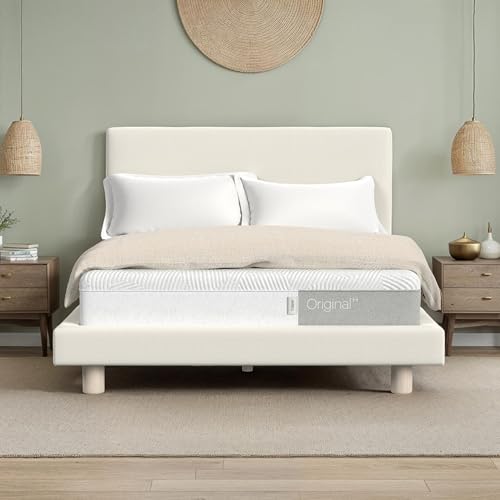
DESIGNED FOR ALL SLEEPERS: Medium feel and Zoned Support align your spine and provide firmer foam under hips, waist, and lower back for targeted comfort and all-night support

DESIGNED FOR ALL SLEEPERS: Medium-firm feel and Zoned Support align your spine and provide firmer foam under hips, waist, and lower back for targeted comfort and all-night support

SIMPLE TO SET UP - Just move the box to the room you want to use it in, unbox and unroll your mattress, and watch it expand before your eyes. Your Nectar will be snooze ready in 24 hours!
Strategies for Improving Sleep Quality

Achieving better sleep quality is essential for enhancing immune function and overall health. Maintain a consistent sleep schedule. Go to bed and wake up at the same times daily. Create a sleep-friendly environment. Make certain the bedroom is quiet, dark, and cool. Limit screen exposure before bedtime. Avoid bright lights and blue light, as they disturb melatonin production. Engage in relaxation techniques. Try meditation or breathing exercises to calm the body. Incorporate nutrient-rich foods into your diet. Avoid caffeine and heavy meals two to three hours before sleep. These strategies improve sleep quality, support cytokine production, and bolster T-cell activity, ultimately enhancing immune function and overall well-being. Additionally, lightweight mosquito nets can provide a comfortable sleeping environment in outdoor settings where insects are a concern. Prioritize sleep for a healthier life.
Recommended Products

Our most supportive mattress paired with Snow Technology for 12+ hours of cooler sleep.

Unmatched Comfort & Adjustability: Elevate your sleeping experience with our head (up to 75°) and foot (up to 45°) lift mechanism, allowing for perfect positioning. The unique headboard hugger ensures you stay close to your nightstand, while the additional head (pillow) tilting provides personalized comfort. Lumbar support ensures your spine is well-supported throughout the night.

Unmatched Comfort & Adjustability: Elevate your sleeping experience with our head (up to 75°) and foot (up to 45°) lift mechanism, allowing for perfect positioning. The additional head (pillow) tilting feature provides even more personalized comfort. Lumbar support ensures your spine is well-supported throughout the night.
The Importance of Sleep Consistency for Immune Health
How important is sleep consistency for immune health? Sleep consistency is essential for regulating circadian rhythms and optimizing the immune response. Maintaining a regular sleep schedule helps enhance the production of important immune components, such as cytokines and T-cells. Aim for seven to nine hours of quality sleep each night. This duration maximizes the effectiveness of the immune system. Avoid disruptions in sleep patterns, as sporadic late nights can increase susceptibility to illness and elevate levels of inflammatory cytokines. Remember, the idea of “catching up” on lost sleep is a myth and may further disturb sleep consistency. Establish fixed bedtimes and wake times to support your body’s immune functions. Prioritize consistent sleep for better health outcomes. Studies show that incorporating Cognitive Behavioral Therapy for Insomnia can significantly improve sleep quality and bolster immune function.
Recommended Products

Fishers Finery 30mm 100% Pure Mulberry Silk Pillowcase 2 Pack, Quality Tested (White, Queen, 2 Pack)
CERTIFIED & TESTED: Our product is tested against over 1,000 harmful substances by OEKO-TEX STANDARD 100. Suppliers in a MADE IN GREEN by OEKO-TEX certified supply chain must take actions to protect workers, ensure safe working conditions and strengthen healthy labor practices.

CERTIFIED & TESTED: Our product is tested against over 1,000 harmful substances by OEKO-TEX STANDARD 100. Suppliers in a MADE IN GREEN by OEKO-TEX certified supply chain must take actions to protect workers, ensure safe working conditions and strengthen healthy labor practices.

Reduces Wrinkles and Fine Lines: Silk is a gentle material that can help reduce wrinkles and fine lines on your face. Unlike cotton or other fabrics, silk won't crease or fold, which means it won't put pressure on your skin as you sleep. This can lead to a smoother, more youthful appearance over time.
Frequently Asked Questions
How Many Hours of Sleep Do Adults Need for Optimal Immune Function?
How can one expect their body to thrive without sufficient rest? Adults typically need seven to nine hours of sleep for ideal immune function, as sleep deprivation effects hinder immune system recovery and overall health.
Can Napping Help Improve Immune Responses?
Napping can improve immune responses, particularly when naps are timed to support circadian rhythm. Short nap durations, ideally 20-30 minutes, are linked to immune boosting effects, enhancing overall health and resilience against illness.
Does Sleep Quality Affect Cytokine Release Differently Than Sleep Duration?
Like a symphony, sleep quality orchestrates cytokine release, enhancing the immune response. Research suggests that while sleep duration lays the framework, the finer nuances of quality dictate the melodies of immune functionality and regulation.
Are There Specific Sleep Disorders Linked to Weakened Immunity?
Certain sleep disorders, such as sleep apnea, insomnia effects, and restless legs syndrome, are linked to weakened immunity. These disorders can disrupt normal sleep patterns, subsequently impairing the body’s ability to produce protective immune responses effectively.
How Does Age Influence Sleep’s Impact on Immune Health?
Age-related sleep changes diminish restorative processes; immune system aging exacerbates vulnerabilities. Sleep deprivation effects amplify risks of infections and diseases, as older adults experience reduced sleep quality and altered immune responses compared to younger individuals.


