As an Amazon Associate, we earn from qualifying purchases. Some links on this site are affiliate links at no extra cost to you. Our recommendations are based on thorough research and editorial judgment.


Allergen Reduction Routine: Wash Frequency and Hot Water Temps

To reduce allergens, establish a regular laundry routine. Wash bedding, including sheets and pillowcases, at least once a week in hot water at 130°F or higher. This temperature kills 100% of dust mites and effectively removes allergens. Items that cannot be washed in hot water should be dried on high heat for 15 minutes before washing. Monitor any skin reactions to laundry products and consult an allergy specialist for personalized recommendations. More strategies can further assist in managing allergens effectively.
Key Takeaways
- Wash sheets, pillowcases, and blankets at least once a week using hot water at 130°F or higher to eliminate dust mites effectively.
- Individuals with allergies should wash bedding every two weeks and pillow encasements weekly to minimize allergen exposure.
- For items that cannot be washed in hot water, drying in a hot dryer for 15 minutes before washing is recommended for allergen removal.
- Using bleach during wash (one cup per load) enhances allergen control but should be used in well-ventilated areas to avoid respiratory irritation.
- Consider washing stuffed animals and children’s bedding weekly in hot water to significantly reduce allergens in the home environment.
Importance of a Regular Laundry Routine
You may be interested


A regular laundry routine is crucial for maintaining a healthy living environment. Wash bedding, including sheets and pillowcases, at least every two weeks. Use hot water set at 130°F or higher. This temperature kills 100% of dust mites and effectively removes allergens. Items that can’t be washed in hot water should be placed in the dryer at 130°F for 15 minutes before washing. Regularly washing towels and clothing also prevents mold and mildew, both of which can worsen allergy symptoms. Establish and follow a consistent washing schedule. This practice not only enhances allergy control but also promotes healthier indoor air quality. Additionally, using hypoallergenic properties in bedding and mattress protectors can further minimize exposure to allergens. Adhering to these guidelines guarantees a cleaner, more comfortable living space for everyone.
Recommended Wash Frequency for Bedding

Maintaining a consistent wash frequency for bedding is crucial to reduce allergens effectively. Wash sheets, pillowcases, and blankets at least once a week. Use hot water with a temperature of at least 130°F to kill dust mites effectively. For individuals with allergies or sensitivities, every two weeks is the minimum wash frequency. Remember to wash encasements for mattresses and pillows weekly as well to lower allergen exposure. If washing in hot water isn’t feasible, dry bedding in a hot dryer for at least 15 minutes. This step helps eliminate dust mites. Following these guidelines for wash frequency and techniques is essential for managing allergens, ultimately contributing to a healthier home environment. Additionally, durable and rust-resistant materials in bedding encasements can enhance allergen protection by providing a more effective barrier against dust mites.
Recommended Products

WATERPROOF: Waterproof protection on all 6 sides. Provides protection from incontinence, accidental spills, and stains from illness.
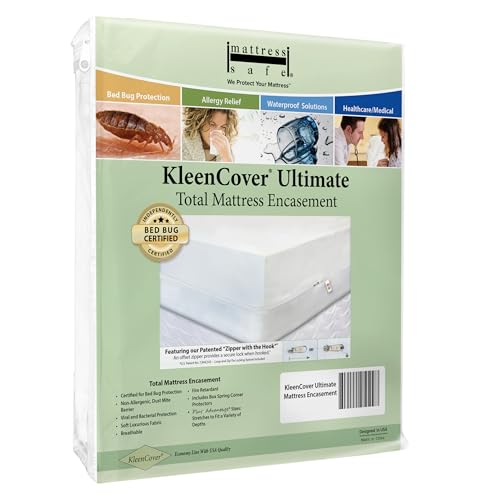
WATERPROOF: Waterproof protection on all 6 sides. Provides protection from incontinence, accidental spills, and stains from illness.

𝗘𝗭 𝗪𝗮𝘀𝗵𝗶𝗻𝗴 𝗳𝗼𝗿 𝗠𝗮𝘅 𝗛𝘆𝗴𝗶𝗲𝗻𝗲 – Zip-off mattress protector top removes in 45 seconds by one person, no mattress lifting required.
Benefits of Washing in Hot Water

Washing laundry in hot water provides considerable benefits for allergen reduction. Using hot water at temperatures of at least 130°F effectively kills 100% of dust mites. It also removes a substantial amount of allergens, including pollen and pet dander. For instance, hot water is nearly 90% effective in eliminating dog dander from fabrics, compared to only 60% with warm water. When washing at 140°F, approximately 97% of pollen is removed, thereby enhancing allergen control. Cold water washing, however, does not appreciably reduce live dust mites or allergens. Consequently, for ideal allergen management, utilize hot water for laundry whenever possible. This simple change can greatly improve the hygiene of your fabrics and minimize allergy symptoms. Additionally, using energy-efficient models can help reduce overall power consumption while keeping your laundry hygienic.
Recommended Products

FlexiArm Design Edge Mopping System. Say hello to an immaculate home - every corner flawlessly clean, every edge pristine. With FlexiArm Design, the mop extends right to the edge so that blind spots become a thing of the past, ensuring a thorough clean that leaves no inch untouched. Enjoy 98.8% edge coverage with a precision margin of 1.85mm. FlexiArm Design effortlessly navigates every edge, ensuring your floors gleam with cleanliness.

Anti-dust Curtains: Lab proven effective in filtering 62.5% of dust particles due to melt blown layer(mask raw material) added. Effectively prevent wildfire smoke allergenic pollen, pet hair and street dust from entering the room, isolating dangerous sources of respiratory diseases. Ideal for pet owners and allergy sufferers.
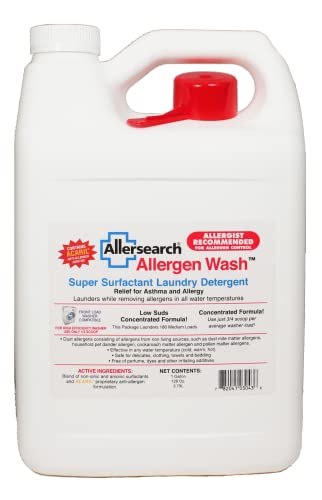
Optimal Water Temperatures for Allergen Removal

Effective allergen removal begins with selecting the right water temperature during laundry. Wash items in hot water at a minimum of 130°F (54°C). This temperature effectively kills 100% of dust mites and removes various allergens. For ideal results, washing at 140°F (60°C) is recommended, as this temperature eliminates up to 90% of dog dander and 97% of pollen. In contrast, temperatures around 104°F (40°C) achieve only a 6.5% dust mite elimination rate. For delicate fabrics sensitive to high heat, use lower temperatures between 86-104°F, complemented by two cold rinses to enhance allergen removal. Additionally, using bed rails for toddlers can help ensure a safe environment for children with allergies, as it minimizes movement and potential exposure to allergens. Consider steam cleaning as an alternative to hot water washing for items that cannot withstand high temperatures.
Recommended Products
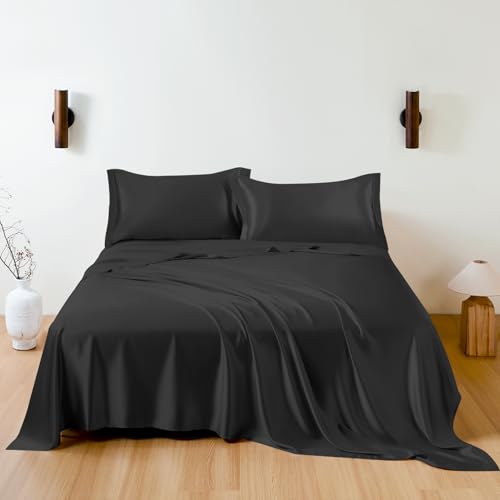
PACKAGE INCLUDES: You will have an exquisite king size set includes: 1 Flat sheet(108" x 102"), 1 Fitted Sheet(76" x 80"+16"), 2 Pillow Shams(20" x 36"). The depth of the bedsheet is 16 inches, which can effectively secure the mattress.

ALASKAN KING SIZE INFORMATION: This 136"W x 120"L Pinch Pleat comforter features a solid Dark Gray finish with an elegant pintuck design, quilted construction, and 8 corner tabs to secure it inside a duvet cover or use as a stand-alone comforter.

COMPLETE 4-PIECE BEDDING SET: Queen Size includes 1 Down Comforter (White Color: Duvet Insert) (90” x 90”) and 3-Piece Cotton Duvet Cover Set (Per Color Selection) with 1 Duvet Cover (90” x 92”) and 2 Standard Pillow Shams (20” x 26”)
How Hot Water Kills Dust Mites

Hot water serves as an effective method for killing dust mites in laundry. Washing items at a temperature of at least 130°F (54°C) eliminates 100% of dust mites. This process also effectively removes allergens from fabrics. Regularly using hot water drastically reduces allergen concentrations, making it essential for allergy management. In contrast, warm water at 104°F only eliminates 6.5% of dust mites, highlighting the necessity of using hot water. Washing bedding and other textiles in hot water should occur weekly to maintain a healthy indoor environment. Additionally, hot water washing removes nearly 90% of dog dander and 97% of pollen. Implement these practices to minimize allergic reactions and improve overall air quality in your home. Furthermore, utilizing waterproof mattress pads can protect against spills and allergens, contributing to a cleaner sleeping environment.
The Role of Bleach in Allergy Management
Bleach plays an essential role in managing indoor allergens. It effectively denatures allergens from pets and dust mites, reducing allergy symptoms for sensitive individuals. Use bleach in laundry routines to enhance allergen control. Mix one cup of bleach with a full laundry load for best results. Guarantee proper use by handling bleach in well-ventilated areas. Be aware that bleach can irritate respiratory systems, so consider alternatives like oxygen bleach or color-safe bleach for a less harsh option. Incorporating bleach into regular washing practices can greatly improve overall indoor air quality. Regularly clean surfaces with diluted bleach solutions to reduce exposure to bacteria and fungi that cause allergy flare-ups. Always follow package instructions for safe usage. Additionally, using waterproof pillow protectors in combination with bleach can further aid in minimizing allergens and maintaining a clean sleeping environment.
Recommended Products

POWERFUL OXYGEN BLEACH CLEANING High-strength oxygen bleach made with sodium percarbonate. When mixed with water, it releases oxygen to help lift organic stains and odor-causing residues from fabrics and washable surfaces.

Powerful Stain Removal: Our oxygenated laundry booster is a dynamic solution designed to supercharge your laundry routine. The powerful oxygen formula works deep into fabric fibers, effectively lifting and removing tough stains like coffee, wine, and grass, ensuring your clothes look as good as new.

99.9% PURE OXYGEN CLEANER – Industrial-grade sodium percarbonate that activates with water to release oxygen, powering through stains, odors, and buildup.
Choosing Free and Clear Products
What options exist for individuals seeking allergy-friendly laundry solutions? Free and clear products are specifically formulated without fragrances and dyes. Brands like All, Tide, and Arm and Hammer offer these options. Select laundry detergents that cater to sensitive skin needs to minimize irritation. Read product labels thoroughly to identify any potential irritants. Consider using extra rinse cycles in the laundry to further reduce detergent residue. This step is particularly beneficial for those prone to skin reactions. Additionally, conventional fabric softeners often contain irritating chemicals. Opt for free and clear softeners to decrease the risk of adverse skin reactions. Utilizing free and clear products notably contributes to allergy management by lowering allergen exposure from laundry chemicals. Furthermore, many of these products incorporate natural ingredients that are less likely to trigger allergies or skin sensitivities.
Recommended Products

EXCEPTIONAL CLEANLINESS: Experience the power of clean, non-toxic laundry detergent for a fresh and safe wash that protects your family's health

Cleans tough stains and odors and leaves no residue or harsh scent

A truly safe and effective laundry pack option.
Pre-Washing New Items for Skin Safety
Many new textiles, including clothing, bedding, and towels, may contain irritating chemicals. Pre-washing these items is essential for skin safety. Begin by washing new clothes in hot water, ideally around 130°F (54°C). This temperature aids in removing harmful substances like formaldehyde and dyes. Use a gentle detergent free of fragrances to minimize allergens. Wash items separately for the first time to avoid cross-contamination. Aim for a wash cycle of at least 30 minutes to guarantee thorough cleaning. Repeat this practice for all new linens and towels. By regularly pre-washing new items, individuals can greatly reduce the risk of allergic reactions, particularly for those with sensitive skin. Establishing this routine promotes long-term skin health and creates a safer home environment. Additionally, ensuring that new bedding is kept elevated with adjustable risers can further enhance air circulation and contribute to allergen reduction.
Identifying Skin Reactions to Laundry Products
Identifying skin reactions to laundry products requires careful observation and documentation. Skin reactions can occur days after exposure, complicating pinpointing the allergen. Watch for symptoms like dry skin, itchy bumps, or blistering with oozing. When you notice any skin changes after using specific laundry products, document these reactions immediately. Note the product name, date of use, and symptoms experienced. This log will aid in identifying patterns over time. If symptoms persist or worsen, seek medical advice promptly. An allergy specialist can help determine if the laundry products are contributing to skin issues. They can also create a tailored treatment plan to address the reactions effectively. Awareness and documentation are key to managing skin health with laundry products. Additionally, consider using microfiber sheets to reduce allergens and maintain a healthier sleep environment.
Keeping Track of Allergy Symptoms
How can one effectively keep track of allergy symptoms related to laundry products? Begin by maintaining a detailed log of laundry routines. Document the specific laundry detergent used, alongside dates and any symptoms experienced. Note that skin reactions can take several days to manifest. Consequently, monitor symptoms regularly for a week after each change in laundry products. Record both improvements and setbacks, as this can aid in identifying effective strategies. Communicate findings with healthcare providers, who can help refine allergy management. This consistent tracking will ultimately reveal patterns that assist in choosing the right laundry products and washing techniques, enhancing allergen control. Regular documentation is a key step in managing laundry-related allergies effectively. Additionally, consider using machine washable options for your pillow protectors to ensure they remain hygienic and allergen-free.
Consulting With an Allergy Specialist
Consulting with an allergy specialist is essential for effective allergy management. They can provide personalized wash frequency recommendations tailored to individual sensitivities. Regular allergy testing may be advised to identify triggers related to laundry products. This information aids in selecting safe alternatives. An allergy specialist will guide you on using hot water for washing bedding at least every two weeks. This practice helps eliminate allergens effectively. They will also emphasize the importance of avoiding common irritants found in laundry detergents. Opt for free and clear products formulated for sensitive skin. Regular follow-ups with the allergy provider are vital. They allow for ongoing assessments and adjustments to laundry practices, ensuring effective management of allergy symptoms at home.
Additional Measures for Reducing Allergens in the Home
Maintaining a healthy indoor environment reduces allergens considerably. Keep home humidity levels below 50% to hinder dust mite survival. Encase mattresses, box springs, and pillows in allergen-proof covers to limit exposure to dust mites and pet dander. Wash stuffed animals and children’s bedding weekly in hot water, at least 130°F, to effectively kill dust mites and eliminate allergens. Install HEPA air filters in commonly used rooms to capture allergens from dust, pet dander, and pollen, improving air quality. Perform routine cleaning of hard surfaces. Use a dehumidifier in damp areas to combat mold growth, which can exacerbate allergy symptoms. These steps collectively help create a healthier living space, reducing allergens in the home environment.
Frequently Asked Questions
Does Hot Water Remove Allergens?
Like a fierce storm clearing the skies, hot water effectively removes allergens from various sources. It eradicates dust mites, diminishes dog dander, and nearly annihilates pollen, ensuring a cleaner and healthier environment for all.
What Is the 3 Day Rule for Allergies?
The 3 Day Rule for allergies states that allergens can intensify within a three-day period without cleaning. Many allergy myths suggest infrequent washing, but regular cleaning is essential to mitigate allergic responses effectively.
Is a Hot or Cold Shower Better for Allergies?
A hot shower is generally better for managing allergies, as it helps clear nasal passages and reduces inflammation. Shower preferences may vary, but heat effectively alleviates congestion and removes allergens from the body.
What Temperature Wash Kills Dust Mites?
In the battle against the dreaded dust mite panic, washing fabrics at a scorching 140°F (60°C) emerges as the heroic temperature, obliterating these microscopic foes and restoring tranquility to allergen-plagued households everywhere.


