As an Amazon Associate, we earn from qualifying purchases. Some links on this site are affiliate links at no extra cost to you. Our recommendations are based on thorough research and editorial judgment.


5 Best Sleep Coaching Books for Insomnia Relief – Transform Your Sleep Tonight

To transform your sleep tonight, start with these five effective coaching books for insomnia relief: “Sleep Better with ChatGPT,” “Sleep Coaching for Curing Insomnia,” “Sleep Coaching: Science-Based Solutions for Easy Sleep Without Meds,” “Comprehensive Sleep Solution Book,” and “Restful Sleepscape.” Each book offers practical strategies for improving sleep, focusing on personalized approaches and actionable tools. Explore these titles to gain insights on overcoming insomnia and achieving restful nights ahead.
Key Takeaways
- Look for books incorporating Cognitive Behavioral Therapy for Insomnia (CBTi) and Acceptance and Commitment Therapy for effective practical solutions.
- Choose titles that offer personalized strategies tailored to your specific insomnia challenges and lifestyle.
- Select books that include actionable tools like sleep diaries and templates for monitoring and improving your sleep patterns.
- Prioritize books emphasizing science-based, non-medicated approaches to insomnia management and long-term strategies.
- Seek authors with credible backgrounds in sleep science or psychology for trustworthy insights and proven techniques.
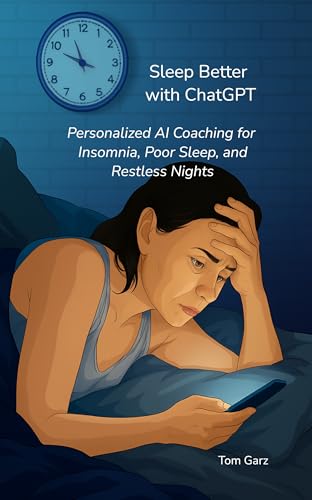
Sleep Better with ChatGPT: Personalized AI Coaching for Insomnia and Poor Sleep
You may be interested


If you’re struggling with insomnia or poor sleep patterns, “Sleep Coaching Books for Insomnia Relief” is an excellent choice. ChatGPT offers a 24/7 personal sleep coach tailored to your needs. Start by creating Personalized Sleep Profiles for accurate advice. Use ready-to-go prompts for bedtime anxiety or early waking scenarios. Access structured workflows to improve your daily routines and weekly reviews. Implement recommended strategies for better sleep hygiene. Leverage tools like sleep diaries and checklists to track progress. Communicate issues clearly with healthcare providers using organized summaries from ChatGPT. Transform your sleep health and achieve better nights ahead.
Best For: Individuals struggling with insomnia, poor sleep patterns, or anxiety related to sleep who seek personalized and systematic support.
Pros:
- 24/7 availability for immediate assistance and coaching tailored to individual sleep challenges.
- Personalized Sleep Profiles enhance the relevance and effectiveness of advice received.
- Practical tools like sleep diaries and checklists support consistent tracking and improvements in sleep habits.
Cons:
- May not replace the need for professional medical advice or treatment for severe sleep disorders.
- Effectiveness can vary based on individual willingness to engage with the tools and strategies provided.
- Reliance on technology may not suit everyone, especially those who prefer traditional methods of support.
Sleep Coaching for Curing Insomnia

Sleep coaching books for insomnia relief are ideal for those struggling to find effective, long-lasting solutions to their sleep problems. Focus on scientifically proven methods to improve your sleep quality. Address sleep hygiene by setting a consistent bedtime and creating a calming environment. Consider techniques from Benjamin Kramer’s “Brain Renovation” to tackle your insomnia’s root causes. Use meditation to relax before bed, and look into supplements that promote sleep. For persistent issues, discuss medications with a healthcare professional. Explore advanced sleep techniques, like polyphasic sleeping, to enhance your sleep regimen. Transform your sleep, starting tonight.
Best For: Individuals seeking effective, scientifically-backed solutions to overcome insomnia and improve sleep quality.
Pros:
- Provides scientifically proven methods for curing insomnia and enhancing sleep quality.
- Includes actionable sleep hygiene tips and meditation techniques for relaxation before bed.
- Offers insight into advanced sleep techniques and supplements that promote better sleep.
Cons:
- May require commitment and consistency to see significant results.
- Some techniques, like polyphasic sleeping, may not be suitable for everyone.
- Potential need for consultation with healthcare professionals for persistent issues or medication.
Sleep Coaching: Science Based Solutions for Easy Sleep Without Meds
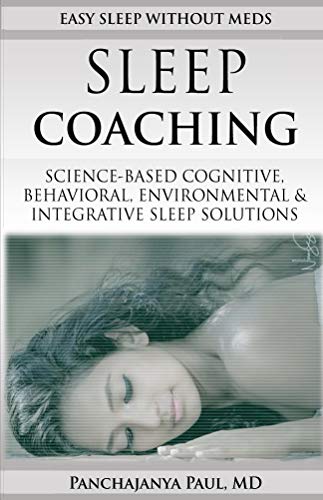
For those who struggle with insomnia and want to avoid medications, “Sleep Coaching Books for Insomnia Relief” offers effective, science-based solutions. Start by identifying your sleep patterns and triggers. Track your sleep with a journal for at least two weeks. Implement relaxation techniques, like deep breathing or meditation, nightly before bed. Create a consistent sleep schedule by going to bed and waking up at the same time, even on weekends. Limit screen time an hour before sleep. Remember, conventional sleeping pills can pose risks. Focus on building healthy sleep habits for long-term improvement and better overall health.
Best For: Individuals struggling with insomnia who wish to find effective, non-medicated solutions for better sleep.
Pros:
- Provides science-based strategies for long-term sleep improvement without the use of medication.
- Encourages the development of healthy sleep habits that can enhance overall well-being.
- Includes practical tools for clinicians to assist patients in addressing sleep challenges.
Cons:
- Requires commitment and consistency in implementing new habits, which may take time to yield results.
- Tracking sleep patterns and triggers can be challenging for some individuals.
- May not address underlying psychiatric disorders that contribute to sleep disturbances.
Comprehensive Sleep Solution Book


Transform your nights with the Extensive Sleep Solution Book. Author Doron Lazarus shares his journey through insomnia and sleep anxiety. He developed this personalized approach for real sleep issues. Commit to integrating mind, body, and soul. Avoid relying solely on medications. Lazarus highlights why traditional advice often fails. Embrace techniques like Cognitive Behavioral Therapy for Insomnia (CBTi) and Acceptance and Commitment Therapy for Insomnia (ACTi). Apply practical strategies for sleep improvement today. This book provides tools to detox from sleeping pills in weeks. Tailor solutions for specific issues like stress or apnea. Upgrade your sleep quality effectively, starting tonight.
Best For: Tired parents and overworked professionals seeking effective and holistic solutions for sleep difficulties.
Pros:
- Personalized approach that integrates mind, body, and soul for comprehensive sleep improvement.
- Provides actionable strategies including detox plans and tailored solutions for specific sleep issues.
- Combines techniques from CBTi and ACTi to address the ineffectiveness of traditional sleep advice.
Cons:
- May require commitment and effort to implement the holistic strategies effectively.
- Some readers may find the methods challenging or time-consuming to integrate into their daily routines.
- Dependency on advice may lead to frustration if immediate results are not achieved.
Restful Sleepscape: Unlocking the Secrets of Restful Slumber and Overcoming Insomnia
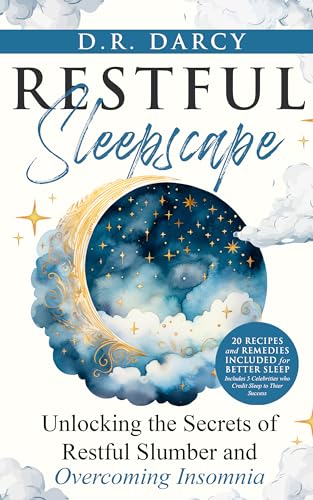
Finding effective solutions for insomnia can feel overwhelming, especially if you’re a busy parent, student, or shift worker. Prioritize your sleep by understanding its impact on your health. Aim for seven to nine hours each night. Address unique obstacles you face; strategies can vary widely. Utilize melatonin supplements according to the guidelines for better sleep regulation. Create a calming sleep environment; keep the room dark and quiet. Implement gentle remedies, like herbal teas or relaxation techniques, each evening. Focus on consistency; go to bed and wake up at the same time daily. Take charge of your sleep, and transform your life.
Best For: Those struggling with insomnia, including busy parents, students, and shift workers seeking to improve their sleep quality and overall health.
Pros:
- Comprehensive Strategies: Offers a variety of remedies and techniques tailored for different challenges related to sleep.
- Focus on Health: Highlights the critical link between sleep quality and overall health, encouraging better sleep hygiene.
- Environmental Adjustments: Provides practical suggestions for creating conducive sleep environments, beneficial for individuals in noisy or disruptive settings.
Cons:
- General Recommendations: Some strategies may not be effective for everyone, as sleep issues can vary widely among individuals.
- Time Commitment: Implementing the suggested changes may require a significant time investment and consistency to see results.
- Supplement Dependence: Relying on melatonin or other supplements may not be ideal for everyone, requiring careful consideration of individual health conditions.
Factors to Consider When Choosing Sleep Coaching Book Insomnia

When choosing a sleep coaching book for insomnia, consider a few key factors. Analyze the intended audience the book targets, as this affects the relevance of the content. Check the author’s credentials and verify the methods are based on solid evidence, offering practical tools you can easily incorporate into your routine.
Target Audience Analysis
To choose the right sleep coaching book for insomnia relief, consider the unique challenges faced by different groups. Shift workers may need strategies focused on managing irregular hours. Parents often deal with sleep disruptions due to family responsibilities, while students might struggle with stress and study schedules. Each group has different sleep disorders and contributing factors that require tailored approaches. Look for actionable tools that fit your lifestyle, like tips for frequent travelers or those in high-stress jobs. Pay attention to the language and tone of the book. Determine if the material uses scientific language, personal stories, or practical tips. This analysis will help you select a book that directly addresses your specific sleep needs.
Author’s Credentials and Experience
Assess the author’s credentials and experience before choosing a sleep coaching book for insomnia relief. Start by evaluating their background in sleep science or psychology. Authors with expertise in these fields often present more effective methods. Look for personal experiences with insomnia; relatable insights can offer practical strategies. Examine any professional affiliations with recognized sleep organizations, as they indicate a level of credibility. Check for contributions to published research as well. Certifications in sleep coaching or behavioral therapy can enhance the legitimacy of their recommendations. Finally, consider the author’s history with diverse populations, as this experience can lead to tailored and effective coaching advice. Informed choices lead to better outcomes for your sleep journey.
Evidence-Based Methods Utilized
Choosing a sleep coaching book requires attention to the methods used inside. Look for those that incorporate evidence-based techniques like Cognitive Behavioral Therapy for Insomnia (CBTi) and Acceptance and Commitment Therapy for Insomnia (ACTi). These approaches help address issues connected to anxiety and depression, which often worsen insomnia. Select books that emphasize creating personalized sleep profiles, targeting your specific challenges rather than offering one-size-fits-all advice. Make certain the material includes sleep hygiene practices, focusing on how to improve your sleep environment and routines. Additionally, choose books that debunk myths about sleep, like the notion that everyone needs eight hours. This will guarantee you get thorough, scientifically supported strategies to improve your sleep quality effectively.
Practical Tools Provided
When selecting a sleep coaching book, practical tools should be a top priority. Look for resources that offer sleep diaries, prompt logs, and checklists. These tools help you monitor your sleep patterns and establish good sleep hygiene practices. Choose books with templates to create personalized sleep profiles; this allows you to tailor your approach based on your unique challenges. Structured workflows and step-by-step strategies are essential for building effective daily routines. Also, find books that provide ready-to-use prompts for specific issues like bedtime anxiety or early awakenings. These tools can be reused and adapted over time, supporting your ongoing improvements and allowing you to track progress efficiently. Prioritize practicality for better sleep results.
Personalization and Custom Solutions
Personalization is key to effective sleep coaching. Look for books that help create individualized sleep profiles tailored to your specific challenges. Choose materials that offer ready-to-use prompts for issues like bedtime anxiety or early awakenings. This can boost your success rates.
Select books with structured approaches that provide clear workflows. These can guide you in establishing daily routines and conducting weekly reviews to track your sleep progress. Find materials that incorporate practical tools like sleep diaries and checklists. These will help you consistently monitor your patterns.
Finally, guarantee the coaching aids you in organizing your notes into structured summaries. This aids communication with healthcare providers, facilitating better support for your sleep challenges.
Addressing Underlying Issues
Addressing underlying issues is vital for effective insomnia relief. First, identify any anxiety or depression that might be affecting your sleep. It’s important to seek targeted treatment, as managing only symptoms often leads to temporary relief. Look for books that incorporate Cognitive Behavioral Therapy for Insomnia (CBTi). These resources will help you recognize and resolve psychological factors contributing to your insomnia.
Next, consider physical health issues like sleep apnea or chronic pain. A thorough sleep coaching book should also explore lifestyle factors, including daily routines and stress levels. Aim to read one chapter a day and apply any strategies for at least a week. This structured approach guarantees you’re actively working toward sustainable improvements in your sleep quality.
Long-Term Sleep Strategies
Choosing a sleep coaching book to improve insomnia requires careful consideration of long-term strategies. Focus on books that address underlying issues like anxiety or depression, rather than temporary fixes. Look for guidance on developing structured sleep routines and maintaining a consistent schedule. Aim for a regular bedtime and wake-up time, even on weekends. Evaluate your diet; reduce caffeine and alcohol intake to enhance sleep quality. Incorporate relaxation techniques and mindfulness practices to counteract sleep-related anxieties. Cognitive behavioral techniques can transform negative thoughts about sleep. Finally, commit to regularly reviewing your sleep strategies. Adjust them based on changes in lifestyle or stress levels. This sustained effort will help you maintain healthy sleep practices for the long term.
Frequently Asked Questions
Are Sleep Coaching Methods Suitable for All Ages?
Yes, sleep coaching methods can be suitable for all ages. Kids, teens, and adults can benefit from structured techniques. Focus on establishing a sleep routine, like going to bed and waking up at the same time daily. Calm bedtime rituals, like reading or meditating, enhance relaxation. Track sleep patterns in a journal to recognize issues. Monitor progress for a few weeks to evaluate effectiveness. Adapt methods based on age and individual needs for best results.
How Long Does It Take to See Results From Sleep Coaching?
You’ll typically see results from sleep coaching within three to six weeks. Start by implementing new sleep habits consistently each night. Track your progress weekly, noting improvements or setbacks. Adjust your approach if you don’t see changes after a month. Stay patient; lasting shifts take time. Consult your coach regularly for feedback and support. Commit to the process, and you’ll create a more restful sleeping environment sooner than you think.
Can I Use Multiple Sleep Coaching Books Simultaneously?
Yes, you can use multiple sleep coaching books simultaneously. Start by selecting one book as your primary guide. Follow its advice closely for two to three weeks. This focus helps you build a routine. After that, introduce another book gradually. Compare methods and strategies. Keep notes on what works best for you. Be cautious not to overwhelm yourself. It’s essential to maintain consistency for best results in improving your sleep.
What if My Insomnia Is Caused by an Underlying Health Issue?
If your insomnia stems from an underlying health issue, it’s imperative to seek medical advice. Schedule an appointment with a healthcare provider to discuss your symptoms. They might recommend tests or treatments. Keep a sleep diary for at least two weeks, noting your sleep patterns and any relevant health changes. This information can help your doctor identify connections. Don’t ignore this possibility. Addressing the root cause often improves your sleep considerably.
Are There Any Side Effects From Sleep Coaching Techniques?
Yes, sleep coaching techniques can have side effects, though they’re usually mild. You might experience temporary fatigue, increased anxiety, or changes in sleep patterns initially. Stick to your coaching plan consistently for about two to four weeks to allow your body to adjust. If you notice persistent side effects, consult a healthcare professional. They can assess your situation and recommend adjustments or alternative methods, ensuring your sleep improvement journey remains effective and safe.


