As an Amazon Associate, we earn from qualifying purchases. Some links on this site are affiliate links at no extra cost to you. Our recommendations are based on thorough research and editorial judgment.


Circadian Rhythm and Bedroom Lighting: Lux Levels and Color Temperature

Circadian rhythms play a key role in sleep quality, influenced by lux levels and color temperature in the bedroom. Keep lux levels at or below 51 lux during nighttime. Use warm color temperatures between 2700K and 3000K to promote relaxation. Limit blue and green light exposure in the evening, as they can disrupt melatonin production. Implement blackout curtains to block outside light at night. These changes create an ideal sleep environment. Discover more about enhancing your sleep setup.
Key Takeaways
- Circadian rhythms are influenced by light exposure, deeply affecting melatonin production crucial for sleep quality.
- Ideal bedroom lux levels should be at or below 51 lux at night to support melatonin production.
- The optimal color temperature for sleep is between 2700K and 3000K, promoting relaxation and sleepiness.
- Dimming lights in the evening and using warm light technology enhance the sleep environment and support restful sleep.
- Blackout curtains can block up to 99% of unwanted light, maximizing melatonin production during nighttime.
Understanding Circadian Rhythms
You may be interested


Understanding circadian rhythms is crucial for maintaining a healthy sleep schedule. Circadian rhythms are 24-hour biological cycles that regulate sleep and wake patterns. These cycles respond to light exposure, especially affecting melatonin production. Make sure your bedroom lighting design promotes low lux levels at night, ideally at or below 51 lux. This supports melatonin release, enhancing sleep quality. Utilize warm light, with a color temperature between 2700K and 3000K, during evening hours. Avoid cooler light colors as they can disrupt circadian rhythms. Additionally, prioritize natural light exposure during the day. Research shows that every hour of natural light considerably improves sleep quality. Adapting these practices makes for better sleep and reinforces healthy circadian rhythms in daily routines. Incorporating a quiet ultrasonic diffuser in your bedroom can also create a calming environment conducive to restful sleep.
The Role of Melatonin and Light Exposure

Melatonin plays a crucial role in regulating sleep-wake cycles. This hormone, produced by the pineal gland, is released in darkness, signaling the body to prepare for sleep. Light exposure, even at low levels like 8 lux, can greatly inhibit melatonin production. To improve sleep quality, minimize light in the bedroom before sleep. Blue light, found in many electronic devices, is particularly harmful, delaying sleep onset. Maximize natural light exposure during the day to support healthy circadian rhythms. In the evening, consider using warm color temperature lighting to enhance melatonin production. Utilize circadian lighting technology that adjusts intensity and color temperature, mimicking natural light patterns. This approach promotes better sleep hygiene and restful nights. Additionally, maintaining proper indoor humidity levels can contribute to overall sleep quality by preventing respiratory discomfort.
How Artificial Light Disrupts Sleep Patterns

Artificial light disrupts sleep patterns by interfering with natural circadian rhythms. Exposure to bright light, especially in the evening, delays melatonin production, making it challenging for the body to wind down. This disruption can lead to sleep disorders and poor sleep quality. Blue light from electronic devices poses a significant risk, suppressing melatonin levels longer than other light colors. Even low dorm room light levels, as little as 8 lux, can disrupt the natural sleep-wake cycle. To promote better sleep, minimize exposure to artificial light at least one hour before bedtime. Adjust color temperature to warmer tones in the evening, creating a conducive sleep environment. Using red night lights can promote relaxation and better sleep cycles, helping to mitigate the negative impacts of artificial lighting. Prioritize reducing bright light exposure to maintain healthier sleep patterns.
Benefits of Natural Daylight for Sleep Quality

Exposure to natural daylight plays an essential role in improving sleep quality. Regular exposure enhances circadian rhythms, which regulate sleep and wake cycles. Aim for at least one hour of outdoor light each day. This simple action can greatly improve sleep quality and increase alertness during the day. Furthermore, maximizing access to natural daylight in workspaces is vital. It supports healthy melatonin production, helping the body prepare for rest at night. Each additional hour of daytime light exposure correlates with better sleep patterns. Prioritize light exposure during the day to improve sleep and overall well-being. Recognizing these benefits enables individuals to make informed choices about light in their daily routines and environments. Additionally, sleep music loops can further enhance relaxation and promote a deeper sleep experience.
The Importance of Warm Color Temperatures

When preparing a bedroom for sleep, consider the importance of warm color temperatures in lighting. Aim for bulbs with a range of 2700K to 3000K. These warm colors enhance relaxation and support melatonin production, leading to improved sleep quality. During the evening, dim lights to create a calming ambiance. This practice aligns with natural circadian rhythms, as warm hues like red, orange, and yellow have minimal impact on sleep patterns. Avoid bright, cool-toned lights, which can disrupt the body’s shift into sleep mode and produce adverse effects on melatonin release. Maintaining adequate warm color temperatures can help guarantee a restful environment, allowing the body to wind down effectively and prepare for a night of restorative sleep. Additionally, incorporating canopy bed drapes with blackout liners can further enhance sleep quality by blocking out exterior light disturbances.
Optimal Lux Levels for a Sleep-Friendly Environment
Creating a sleep-friendly environment requires careful attention to lux levels in the bedroom. Ideally, the lighting should produce 51 lux or less on the sleeping person’s face. Any light exceeding 8 lux can disrupt melatonin production, adversely affecting sleep quality. To promote natural melatonin production, dimming lights in the evening is essential. This practice helps the body prepare for sleep. A light meter can help accurately measure lux levels to guarantee they are ideal. Additionally, using warm color temperatures around 2700 Kelvin for bedroom lighting aids in maintaining lower lux levels. By adhering to these principles, one can create a comfortable, sleep-friendly environment conducive to restful nights and better overall well-being. Incorporating cooling technology in bedding and pillows can also support optimal sleep conditions for those with sleep disturbances.
Recommended Products
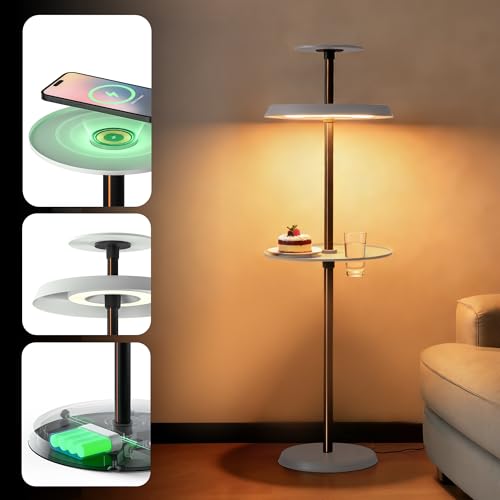
【3-in-1 Solution: Light, Shelf & Charger】Tubicen led floor lamp is more than a lamp, it is Light, Shelves, Charger. All in One. When you get it, you get one floor lamp, one 3-tier shelves and one power charger at a time

【Adorable Bird Design with Flexible Adjustment】This bird lamp isn't just a light—it's a cute, functional decor piece! We've nailed the perfect bird proportions, so it looks natural and charming anywhere. The flexible neck (just like a real bird's!) lets you twist the lamp head and stand freely. You can angle it up, down, or sideways easily, keeping its sleek shape while fitting your reading, working, or ambient lighting needs

Werfactory Design: The lampshade wide 16 inch, the floor lamp height 64 inch. The resin base bronze finished wide 11 Inch, weight 3.8KG, provide a good stability from falling, Pull chain switch, UL listed.
Recommended Lighting Colors for Better Sleep
Choosing the right lighting colors is essential for better sleep quality. Use warm hues like red, orange, and yellow for bedroom lighting. These colors support melatonin production and create a calming environment. Avoid bright and cool-colored lights, especially blue light, before bedtime as they disrupt sleep. Instead, opt for dim light options, such as soft yellow or orange tones. This minimizes interference with circadian rhythms. Aim for a color temperature of about 2700K, which resembles soft white light, to signal the body’s shift to sleep. Bright red light can also enhance melatonin production if kept dim. Implement these lighting choices in your bedroom for improved sleep quality during the nighttime hours, as adequate humidity output can further enhance sleep comfort in such an environment.
Recommended Products

【Specifications】UL listed. 27 1/2" wide x 26" high. Canopy is 5" wide x 1" high. Each glass is 7" wide x 3 1/2" high. Weighs 15.2 lbs. Comes with 6-feet of chain and 12-feet of lead wire. Sloped ceiling adaptable.

36" Traditional Built-In Electric Fireplace Insert, 120 Volt

【Multifunctional Fireplace Mantel】BOSHIRO fireplace mantel has a natural wood grain tabletop and a thicker, more stable base. This 78“ fireplace mantel with storage comes with adjustable shelves and can be used as a TV stand up to 85inch TV, suitable for both living room and bedroom.
Smart Lighting Solutions for Sleep Enhancement
Smart lighting systems offer effective ways to enhance sleep quality. These solutions, including dimmable LED bulbs, adjust color temperature and light intensity throughout the day. In the evening, dim lights gradually to promote melatonin production, helping the body prepare for sleep. Shift from cooler daylight tones in the morning to warmer hues in the evening. This change signals the body to wind down. Monitor ambient light levels to maintain approximately 51 lux or less during sleep hours. Use smart lighting’s voice commands or app controls to minimize blue light exposure before bedtime. Automate routines to mimic sunrise in the morning, promoting alertness. These methods collectively support natural circadian rhythms and contribute to improved overall sleep quality. Additionally, incorporating sound machines with fan sounds can further mask disruptive noises and enhance the calming atmosphere needed for a restful night.
Recommended Products

CASUAL COASTAL / MODERN FARMHOUSE: Boasting a sleek, pewter finish - the Prominence Home Reston ceiling fan elevates your adds a flair that is both inspired and current. Having a blade span of 42 inches, this modern ceiling fan is perfect for medium sized rooms such as bedrooms, dining rooms, dens, and much, much more!

【Specifications】UL listed. 73" high overall. Base is 12" wide. Each glass is 8 1/2" high x 6 wide x 4" wide. Height to top of each glass is 49 1/2", 55", 64" and 73". Weighs 38 lbs. Uses four maximum 75 watt standard-medium base bulbs (not included). On-off foot switch on the cord.

Minka-Aire F848-DRF Light Wave 65" Ceiling Fan with LED Light and Remote Control in Driftwood Finish
DESIGN: The larger version of the popular Light Wave ceiling fan, the 65" Light Wave is still contemporary and efficient in design
Designing a Restful Bedroom Lighting Setup
When designing a restful bedroom lighting setup, prioritize a color temperature between 2700K and 3000K. These warm lights promote relaxation and melatonin production. Use dimmers to adjust brightness, aiming for levels below 51 lux after sunset. This adjustment supports circadian rhythm and improves sleep quality. Incorporate warm lights like red, orange, or yellow in the evening to reduce light exposure that disrupts sleep. Consider programming smart lighting to gradually dim at bedtime, simulating natural light patterns. Finally, install blackout curtains to block unwanted nighttime light exposure. This measure is essential, as even small amounts of light can disturb sleep quality. A well-planned lighting setup fosters a calming environment conducive to rest and rejuvenation.
Recommended Products

Modern Staircase Chandelier: Elevate entryways with this gold high-ceiling chandelier; featuring (49 Droplets) and a 128-inch adjustable design, it creates a striking focal point for staircases, foyers, and open spaces

BOA CHANDELIER DIMENSIONS: 30" High (Adjustable Height: 30.50" to 150") x 34" Wide, Ceiling Canopy: 5.12" x 5.12" x 1"; Weight: 86.02 lbs.

Medieval-Style Vintage Chandelier: Transform your space to a classic, timleless haven with the Noble Candle Chandelier. Its antique, European design adds a touch of rustic sophistication to any room
The Impact of Blue and Green Light on Sleep
Understanding the impact of light on sleep is essential for healthy rest. Blue light exposure greatly inhibits melatonin production, blocking it for prolonged periods. Even low levels of blue light, around 8 lux, can disrupt sleep quality. To promote better rest, minimize blue light exposure, particularly in the hours leading up to bedtime. Instead, opt for warmer tones in nighttime lighting, which are less disruptive to circadian rhythms. Green light does decrease drowsiness but is not as effective as warmer tones for sleep promotion. Limiting both blue and green light in the evening will enhance melatonin production and improve overall sleep quality. Prioritize soft, low-intensity lighting to create a conducive sleep environment. Seek a restful night through informed lighting choices.
Effective Light-Blocking Strategies for Nighttime
Implement effective light-blocking strategies to enhance nighttime sleep quality. Use blackout curtains to block up to 99% of unwanted light, which minimizes sleep disruptions from external light sources. Consider magnetic side tracks to eliminate light rings around the curtain edges. Limit light exposure at night since even minimal light can hinder melatonin production, essential for restful sleep. Maintain ideal sleep conditions by ensuring the lux level on a sleeping person’s face stays at 51 lux or less. Incorporate dimming solutions and warm light technology in the evening to create a relaxing atmosphere. This smooth shift into sleep reduces the potential disturbances from nighttime lighting. Prioritizing these strategies contributes greatly to achieving better sleep. Additionally, selecting curtains with thermal insulation properties can help regulate room temperature for an even more comfortable sleep environment.
Recommended Products

【ADVANCED LIGHT BLOCKING】 A cutting-edge solution designed to block sunlight and heat. Experience unparalleled light-blocking capability, with up to 99.99% efficiency to reduce glare, minimize heat loss in colder months, and maintain a comfortable temperature while significantly lowering energy costs throughout the year.

ECO-FRIENDLY & SUPERIOR DURABILITY: Crafted with a 1.57" thickened aluminum alloy frame, this foldable insulation door is wear-resistant and corrosion-resistant, eco-friendly and odorless, with extended service life. Newly upgraded nylon tank chain with no sharp edges for quieter operation, effortless sliding without rebound; dual-curved top track, ultra-low 0.47" rubber floor track that doesn't obstruct access for elderly, children, or robotic vacuums

【BERISSA Shades Systems: Excellence in Window Décor】 Founded in 1997, BERISSA upholds integrity, accountability, and innovation. Each blinds embodies the dedication and expertise of our designers and engineers. From blueprint design and mold-making to testing and refinement, every step is meticulously executed by skilled artisans. Relentless refinement has established us as a leading brand. Professionalism, reliability, and trust form our foundation and unwavering commitment to every client.
Frequently Asked Questions
What Is the Color Temperature of the Circadian Rhythm Light?
Circadian light basks in the glory of warm hues between 2700K and 3500K, embracing nature’s cycles. By mitigating ominous blue light, it champions sleep quality and melatonin production, ensuring alertness rules the daylight hours. Health benefits galore!
How Many Lux to Set Circadian Rhythm?
To establish a healthy circadian rhythm, daytime lux levels should be above 250, while evening routines benefit from light intensities around 51 lux. Proper shifts support sleep quality and provide essential wakefulness signals through crucial circadian cues.
What Is the Best Color Temperature for Bedroom Lighting?
Like a gentle sunset, warm tones in bedroom lighting design create a soothing ambiance, enhancing mood and sleep quality. Utilizing energy-efficient light bulbs can maximize health benefits while minimizing the negative effects of harsh cool tones.
What Color of Light Affects the Circadian Rhythm?
Blue light negatively impacts the circadian rhythm by suppressing melatonin, while red light promotes restful states. Green and yellow lights have neutral effects, whereas natural light exposure at appropriate durations and intensities supports healthy sleep patterns.


