As an Amazon Associate, we earn from qualifying purchases. Some links on this site are affiliate links at no extra cost to you. Our recommendations are based on thorough research and editorial judgment.


VOCS in Bedrooms: Off-Gassing From Furniture and Ventilation Strategies

Volatile Organic Compounds (VOCs) can off-gas from furniture and materials found in bedrooms. Common sources include new synthetic mattresses, upholstery, and particle board furniture. These compounds can cause irritation and long-term health issues. Off-gassing may last from weeks to years. To improve air quality, open windows for cross-ventilation, use air purifiers with activated carbon filters, and maintain humidity between 40% and 60%. Following these strategies helps reduce VOC exposure and enhances overall indoor air quality. Explore further for more insights.
Key Takeaways
- New furniture, especially made from pressed wood or particle board, is a common source of VOCs in bedrooms due to off-gassing.
- Off-gassing can last from weeks to years, particularly for synthetic materials like mattresses and upholstery.
- Proper ventilation, such as opening windows and using air purifiers, significantly reduces VOC concentration and improves indoor air quality.
- Maintaining humidity levels between 40% to 60% helps minimize the effects of off-gassing on health and comfort.
- Regular monitoring of VOC levels can ensure a healthier sleeping environment and protect sensitive individuals, such as children.
What Is Off-Gassing?
You may be interested


Off-gassing occurs when volatile organic compounds (VOCs) are released into the air from materials like furniture and paint. This process is common in bedrooms due to synthetic materials such as pressed wood, upholstery, and adhesives. These materials can continue to off-gas for years, impacting indoor air quality. Enhanced indoor temperatures and poorly ventilated spaces further exacerbate VOC levels, increasing health risks. Short-term exposure to off-gassed VOCs may cause headaches and irritations. To mitigate these effects, guarantee proper ventilation. Open windows or use air purifiers to improve airflow. Regularly monitor indoor temperatures, ideally keeping them cooler to reduce off-gassing. Being aware of these factors can help maintain a healthier bedroom environment. Additionally, using waterproof zip pillow covers can also aid in improving indoor air quality by reducing allergens and contaminants in sleeping areas.
Common Sources of VOCs in Bedrooms

Many items in bedrooms contribute to the presence of volatile organic compounds (VOCs). New furniture, particularly made from particle board or pressed wood, often off-gasses harmful substances like formaldehyde. Mattresses, especially those crafted from synthetic materials or memory foam, can emit VOCs for several months after purchase. Bed linens and curtains made from polyester also add to indoor air pollution through their own VOC emissions. Additionally, air fresheners and scented candles introduce more pollutants into the environment, compounding the existing issues from furniture and fabrics. This cumulative effect can considerably elevate VOC levels and negatively impact air quality. To combat this, provide proper ventilation and consider air filtration strategies in the bedroom. Furthermore, using items like bed bug mattress encasements can help ensure a cleaner environment by preventing allergens and contributing to better air quality.
Recommended Products
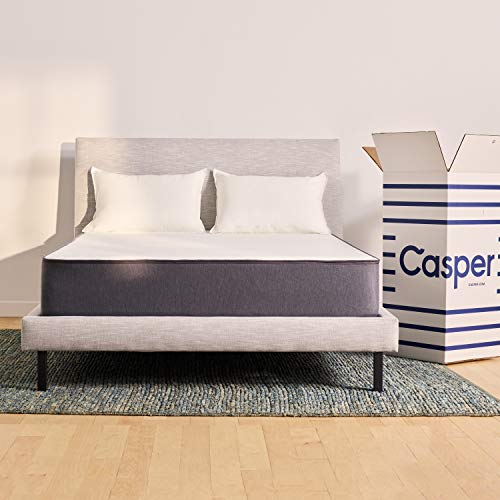

Four-Layer Comfort Design: A 1 inch quilted plush air-infused foam top, 1.5 inches of ventilated gel-infused foam, a 2 inch cooling gel-infused layer, and a 7.5 inch charcoal-infused support base that reduces odors and maximizes comfort

TOXIN-FREE – this mattress contains no petrochemical polyfoams, no fiberglass, no toxic flame retardants, and as of January 2025 our updated design no longer contains a rayon-poly blend. Just cotton, wool, natural latex and springs - those are the only ingredients in this mattress.
Health Effects of VOC Exposure

Volatile organic compounds (VOCs) pose considerable health risks in bedroom environments. VOC exposure can lead to various health effects, including eye, nose, and throat irritation. Headaches and dizziness are common complaints in poorly ventilated indoor spaces. Long-term exposure to these volatile organic compounds, often emitted from furniture, may result in serious respiratory problems, liver and kidney damage, and even increased cancer risk. Children, due to their developing systems, are particularly vulnerable to these adverse effects. Research shows that indoor VOC levels can exceed outdoor levels markedly. Specific compounds, such as formaldehyde, are classified as probable human carcinogens. To mitigate these risks, implement effective ventilation strategies. Regularly monitor VOC levels to maintain a healthy sleeping environment. Utilizing essential oil blends can also enhance relaxation and improve overall sleep quality.
Duration of Off-Gassing in New Furniture

How long does it take for new furniture to stop releasing harmful compounds? The duration of off-gassing varies widely. It can last from a few weeks to several years, particularly with furniture made from particleboard or synthetic fabrics. Freshly painted or stained items typically emit volatile organic compounds (VOCs) for days to weeks. In contrast, solid wood furniture generally releases fewer VOCs, resulting in shorter off-gassing times. Environmental conditions greatly affect this process. Higher humidity levels and temperature prolong VOC release. To minimize exposure, keep furniture in well-ventilated areas. Portable Mini USB Humidifiers can be used to help maintain optimal humidity levels, which can reduce indoor VOC concentrations by 50% or more within the first few weeks. Consider these factors for a healthier indoor environment.
Recommended Products

Hidden Lift Cabinet: Remote-controlled TV lift cabinet keeps your screen out of vision when not in use — perfect for a clean, modern bedroom look.

Vertical Panel Design: - Etereo TV Lift Cabinet introduces bold vertical paneling and sleek modern lines, adding architectural depth and luxury appeal to your bedroom décor.

STAIRCASE STORAGE SOLUTION: Keep their space organized with a staircase that features built-in shelves and a spacious storage drawer—perfect for easy cleanup. The inner storage drawer measures 36.14" long, 11.65" wide, and 5.8" high.
Effective Ventilation Strategies for Reducing VOCs

Effective ventilation is essential for reducing VOC levels in bedrooms. Open windows and create cross-ventilation to improve airflow and dilute indoor pollutants. Utilize exhaust fans, particularly during activities that may release VOCs, like painting or using scented products. Maintain humidity levels between 40% to 60% to lower off-gassing effects. Air out new furniture in well-ventilated spaces, such as garages, for several days to decrease initial VOC emissions effectively. Implement air purifiers with activated carbon filters in bedrooms to enhance air quality and capture VOCs. Regularly check and replace filters to maintain peak performance. Following these strategies can help reduce VOCs and create a healthier living environment. Incorporating anti-slip mattress grippers can enhance safety by preventing furniture from sliding and contributing to comfort in your bedroom. Prioritize ventilation for improved indoor air quality.
Recommended Products

Maximum coverage: AirDoctor 5500i is the perfect air purifier for large rooms and open concept spaces. Circulates the air in 1043 sq. ft. 4x/hour or 2086 sq. ft 2x/hour. CARB EO G-23-243 & FCC ID 2AC7Z-ESPS3WROOM1

AD 5500 offers maximum coverage: AirDoctor 5500 is the most powerful air purifier in the AirDoctor family. Perfect air purifier for large households, high ceilings and open concepts, such as living spaces, master bedrooms, home gyms and more. Circulates the air in 1,043 sq. ft. 4x/ hour or in 2,086 sq. ft. 2x/hour. CARB EO G-23-243

COMPACT DESIGN, MAXIMUM EFFICIENCY - Space saving design without compromising on HyperHEPA filtration, capturing 99.5% of particles down to 0.003 microns. This room air purifier removes mold, pollen, dust, smoke, allergens, pet dander, asthma triggers, and even ultra-fine viruses and bacteria from the air. Perfect for spaces up to 1240 sq ft.
Tips for Minimizing Off-Gassing From Furniture
Furniture can release harmful chemicals, affecting indoor air quality. To minimize off-gassing, choose low-VOC options like solid wood or certified low-VOC materials. Allow new furniture to air out outdoors for several days before bringing it inside. This helps expedite the off-gassing process. Improve ventilation by regularly opening windows or using exhaust fans to enhance airflow and reduce VOC levels. Utilize air purifiers with activated carbon filters designed to capture VOCs and improve overall air quality. Maintain humidity levels between 40-60% with a dehumidifier or humidifier. This helps reduce VOC persistence and enhances ventilation efficacy. By taking these steps, one can effectively reduce VOC emissions from furniture in the bedroom. Additionally, selecting high-quality fabrics such as those used in hotel-quality sheets can contribute to a healthier sleep environment.
Recommended Products

Superior Quality: Solid, knot free, New Zealand pine wood bed frame. Durable, non-toxic, low VOC finish
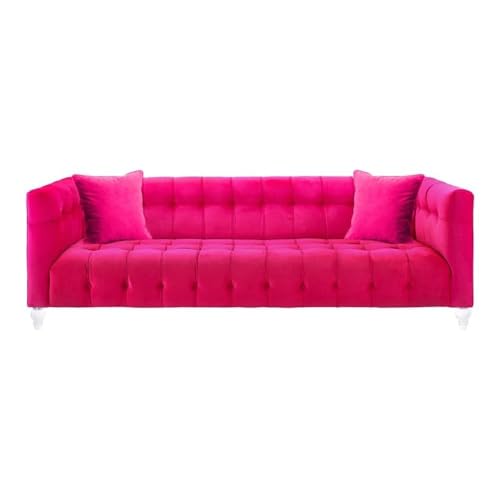
Product Dimensions: 90.6"W x 37"D x 30.1"H

Superior Quality: Solid, knot free, New Zealand pine wood bed frame. Durable, non-toxic, low VOC finish
Monitoring Indoor Air Quality for VOCs
Monitoring indoor air quality for VOCs is important for maintaining a healthy living environment. Use at-home air quality monitors that measure VOCs, humidity, and particulates for effective monitoring. Regularly assess indoor air to identify issues caused by off-gassing from furniture. Homeowners can utilize DIY test kits to analyze air samples, allowing for specific chemical identification. For more accurate readings, consider hiring professionals who use high-sensitivity instruments for VOC measurements. Install integrated smart ventilation systems, such as energy recovery ventilators (ERVs), which adjust airflow based on real-time VOC levels. Conduct monitoring consistently, as total VOC readings can change with new furniture introductions or seasonal variations that affect off-gassing. Prioritize these strategies to guarantee peak indoor air quality. Additionally, it’s essential to consider the breathability of materials used in furniture to minimize potential VOC sources and enhance overall air quality.
Recommended Products
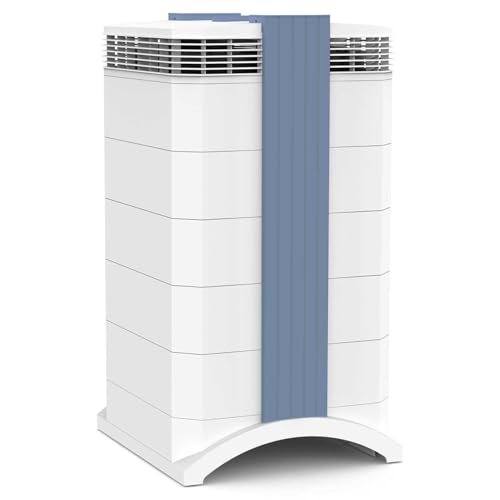
COMPREHENSIVE MULTIGAS FILTRATION - The GC MultiGas XE by IQAir features advanced filtration for chemicals, tobacco smoke, odors, and airborne contaminants. Designed for large rooms, it combines HyperHEPA filtration, activated carbon, gas cartridges, and post-filter sleeves to help capture 99% of targeted pollutants.

WHOLE-HOME AND EXTRA LARGE ROOM COVERAGE Designed for open floor plans and whole-home air purification. Rapidly cleans 1,043 ft2 in 15 minutes & up to 4,172 ft2 in 1 hour, delivering consistent purification where you sleep, work, and relax.

Large format purifier with HEPA H13 grade filtration.
Frequently Asked Questions
How to Treat High VOC Level in Bedroom?
To treat high VOC levels in bedrooms, one should utilize air purifiers, incorporate indoor plants, guarantee natural ventilation, choose low VOC materials for renovations, and practice safe cleaning. Furniture placement can also minimize exposure to chemical pollutants.
How Long Does Furniture Release VOCS?
Like a slowly leaking balloon, furniture materials release volatile compounds through an off-gassing process for weeks to years. Understanding chemical emissions is essential for improving indoor air quality and exploring eco-friendly alternatives to reduce exposure.
How Can You Mitigate Exposure to VOCS?
To mitigate exposure to VOCs, one should prioritize furniture selection of non-toxic materials, utilize air purifiers, incorporate indoor plants, maintain humidity control, apply safe paints, and implement effective ventilation tips while ensuring fresh air circulation.
How Do You Flush Out VOCS?
Like a ship steering through turbulent waters, flushing out VOCs requires strong ventilation. Utilizing air purifiers, monitoring chemical exposure from furniture materials, incorporating indoor plants, and employing DIY remedies guarantees a healthier home environment, reducing potential health effects.


