As an Amazon Associate, we earn from qualifying purchases. Some links on this site are affiliate links at no extra cost to you. Our recommendations are based on thorough research and editorial judgment.


Sleep Pressure and Adenosine: What Builds During the Day

Adenosine accumulates in the brain throughout the day, increasing sleep pressure. This process signals the body when it’s time to rest. Sleep pressure builds gradually, peaking at night for deeper sleep. Engage in high-intensity exercise during the day to boost adenosine levels. Reduce caffeine intake after noon to avoid sleep disruption. Establish a consistent sleep schedule to regulate your body clock. For further insights into enhancing sleep quality, explore additional strategies.
Key Takeaways
- Adenosine levels accumulate in the brain throughout the day, increasing sleep drive and pressure for rest.
- Prolonged wakefulness elevates adenosine, directly signaling the body to feel sleepy.
- The circadian rhythm enhances daytime alertness while promoting nighttime sleep.
- High-intensity exercise raises adenosine levels, contributing to improved sleep quality.
- Consistent sleep schedules and reduced caffeine intake help regulate adenosine for better sleep patterns.
The Role of Adenosine in Sleep Regulation
You may be interested


Adenosine plays an essential role in regulating sleep. This molecule accumulates in the brain during wakefulness, which increases the sleep drive. As adenosine levels rise, feelings of sleepiness intensify, signaling the body to rest. The biological clock also influences how this accumulation affects humans. Higher levels of adenosine correlate with increased sleep pressure, promoting sleep and its restorative benefits. During sleep, adenosine levels decrease, relieving sleep pressure and resetting the brain, which is crucial for cognitive function. Caffeine, a common stimulant, blocks adenosine receptors, maintaining alertness and delaying sleep onset. Understanding adenosine’s role in sleep regulation can help individuals manage their sleep patterns effectively, providing clarity on achieving better rest and well-being. Moreover, utilizing tools like sound machines with fan sounds can aid in creating an optimal sleep environment to enhance relaxation and support the natural regulation of adenosine.
The Homeostatic Process: How Sleep Pressure Builds

Sleep pressure builds gradually during the day. This process involves the accumulation of adenosine, a molecule that increases as wakefulness continues. As adenosine levels rise, so does the homeostatic sleep drive. This heightened sleep pressure signals the body to seek sleep. Circadian rhythms also play a role, influencing alertness during the day and promoting sleep onset at night. When the sun sets, sleep pressure peaks, creating ideal conditions for deep sleep. Engaging in high-intensity exercise can further elevate adenosine levels, enhancing both sleep pressure and sleep quality. To encourage restful slumber, aim for a consistent bedtime. Understand that as sleep pressure builds, it promotes the natural need for restorative sleep, essential for overall health. Incorporating relaxing activities like wearing eco-friendly sleepwear can further enhance your comfort and readiness for sleep.
The Impact of Wakefulness on Adenosine Accumulation

Wakefulness directly influences the accumulation of adenosine in the brain. As an individual remains awake, adenosine levels rise, contributing to the sensation of sleepiness. This accumulation increases sleep pressure, signaling the body that rest is needed. Over time, extended periods of wakefulness inhibit activities in regions of the brain that promote sleep, reducing alertness. To maintain balance, adenosine is gradually cleared from the brain during sleep, particularly deep sleep. Engaging in high-intensity exercise can further elevate adenosine levels, enhancing feelings of sleepiness. Understanding this process helps individuals recognize the importance of adequate rest after prolonged wakefulness, ultimately promoting better sleep hygiene and overall well-being. Prioritize quality sleep to effectively manage sleep pressure and support brain health.
Recommended Products

Premium Material:The mattress cover is made of 3D soft knitted fabric, which is breathable and moisture-wicking. It is safe and of premium quality, making it suitable for everyone. You can rest assured when sleeping on this foam mattress

NOVA LUXURY MEMORY FOAM MATTRESS: Featuring thermal gel memory foam for heat management and ventilation panels for continuous airflow, it ensures a consistently cool sleep. Skillfully designed for breathable support, it contours to your body, providing superior pressure relief by evenly distributing weight, reducing stress on crucial areas like shoulders and hips. Made with ultra-high-density foam, it guarantees lasting comfort and durability, resisting wear over time.

Triple-Stranded Pocketed Coil Technology offers our most advanced level of individualized support and motion separation, so you can rest undisturbed
Caffeine’s Effects on Sleep Pressure and Adenosine

How does caffeine impact the accumulation of adenosine and sleep pressure? Caffeine blocks adenosine receptors in the brain. This action reduces the sleep-inducing effects of adenosine, which builds up during the day. Consequently, caffeine promotes alertness and makes it harder to fall asleep. Regular intake may create tolerance, requiring more caffeine to promote wakefulness. This cycle can lead to sleep issues and disrupt healthy sleep patterns over time. Caffeine peaks in effect 30 to 60 minutes after consumption, but its half-life ranges from 4 to 6 hours. As a result, consuming caffeine in the afternoon or evening can affect the regulation of sleep and diminish sleep drive. It is essential to manage caffeine consumption for better sleep quality. Additionally, higher tank capacities in humidifiers can help maintain a comfortable sleeping environment, which counteracts the effects of caffeine on sleep.
Recommended Products

REDUCES NECK & SHOULDER PAIN- The Honeydew Scrumptious Side Sleep Pillow for Adults is ergonomically designed to provide optimal support for side sleepers. By maintaining proper alignment of your neck, shoulders and spine you wake up feeling happy and refreshed.

Cool Made Cooler: No more sleepless nights. Coop's newest bed pillow is thoughtfully designed to beat the heat & give you the coolest, most comfortable sleep ever. Experience "drier," deeper & more restorative sleep with Coop's Cool+ Cut Out Pillow.
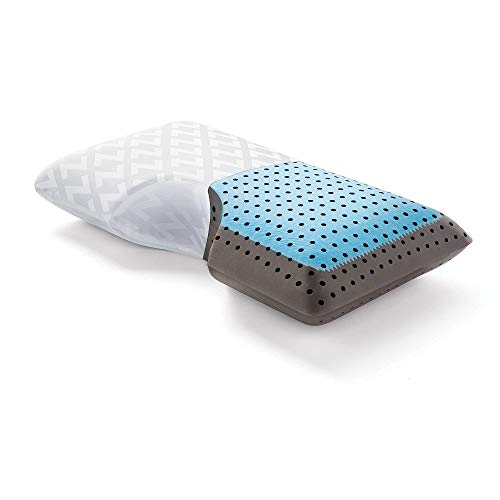
Infused with activated carbon and phase change material for constant temperature regulation that maintains the body's optimum sleep temperature
Strategies for Managing Adenosine Levels for Better Sleep

Managing adenosine levels is essential for achieving better sleep. To enhance sleep, establish a consistent sleep schedule. Go to bed and wake up at the same time daily to regulate your sleep/wake cycle. Engage in high-intensity exercise several times a week; this boosts adenosine production and promotes sleep drive. Reduce caffeine intake, especially after noon, as it blocks adenosine receptors and disrupts rest. Limit screen time and exposure to blue light at least four hours before bedtime. This assists in the natural accumulation of adenosine, helping you feel relaxed and ready for sleep. Additionally, consider using cooling pillowcases with phase change technology to improve sleep quality by regulating temperature throughout the night. These strategies will support increased levels of adenosine, aiding your control of sleep and improving overall sleep quality.
Recommended Products

Our most supportive mattress paired with Snow Technology for 12+ hours of cooler sleep.

ENHANCED COOLING: Treat yourself with our most advanced cooling feature. This phase change fabric optimizes your sleep temperature from the minute you lie down providing you with all-night cooling comfort.
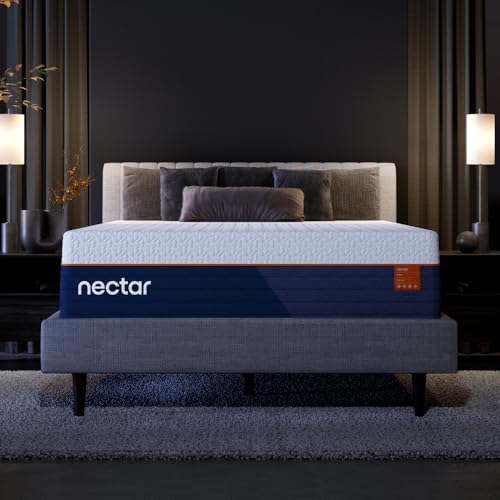
SIMPLE TO SET UP - Just move the box to the room you want to use it in, unbox and unroll your mattress, and watch it expand before your eyes. Your Nectar will be snooze ready in 24 hours!
Frequently Asked Questions
Does Adenosine Build up During the Day?
Adenosine levels accumulate throughout the day, influenced by biological rhythms and energy depletion. This neurotransmitter supports sleep quality and fatigue factors, while caffeine interferes with its nerve signaling, affecting circadian cycles and sleep patterns.
How Does Adenosine Affect Sleep Pressure?
Adenosine, a pivotal player in sleep regulation, functions as a neurotransmitter that influences brain chemistry and circadian rhythms. Its accumulation drives restorative sleep, linking energy depletion to insomnia, especially under caffeine’s interference with sleep cycles.
What Causes a Buildup of Adenosine?
Adenosine buildup results from neuronal firing and brain activity during daily routines and energy consumption, exacerbated by sleep deprivation. Caffeine temporarily disrupts this process, impacting sleep homeostasis by interfering with the natural accumulation aligned with circadian rhythms.
What Increases Sleep Pressure?
Sleep pressure rises steadily like a tide. Sleep deprivation effects, circadian rhythm influence, physical activity, and mental fatigue swell alongside caffeine consumption, environmental factors, hydration levels, nutrition balance, stress management, and light exposure, shaping the relentless urge for slumber.


