As an Amazon Associate, we earn from qualifying purchases. Some links on this site are affiliate links at no extra cost to you. Our recommendations are based on thorough research and editorial judgment.


Sleep Paralysis: REM Atonia, Hallucinations, and Triggers

Sleep paralysis occurs when the brain awakens but the body remains paralyzed during REM sleep. It often leads to hallucinations, including auditory and visual experiences, which can cause anxiety. Common triggers include irregular sleep schedules, sleep deprivation, and high-stress levels. Managing sleep hygiene is essential for prevention. Establish regular sleep patterns, create a calming sleep environment, and limit stimulants before bedtime. Understanding these factors can help reduce the frequency of sleep paralysis episodes and enhance overall sleep health.
Key Takeaways
- Sleep paralysis occurs when the brain awakens during REM sleep while the body remains paralyzed due to REM atonia.
- Common hallucinations during sleep paralysis can include sensory experiences like chest pressure and perceived intruders, increasing anxiety.
- Risk factors for sleep paralysis include sleep deprivation, irregular sleep patterns, anxiety disorders, and stressful life events.
- Improving sleep hygiene, establishing regular routines, and practicing relaxation techniques can help manage and reduce episodes of sleep paralysis.
- Cognitive Behavioral Therapy and medications may be effective for individuals experiencing frequent hallucinations and anxiety related to sleep paralysis.
What Is Sleep Paralysis?
You may be interested


Sleep paralysis is a common phenomenon that affects many individuals. It occurs when a person experiences temporary episodes of immobility and inability to speak while falling asleep or waking up. These episodes typically last from a few seconds to several minutes. During sleep paralysis, individuals often encounter vivid hallucinations that can cause feelings of fear. This condition is linked to REM sleep and muscle atonia, where the body temporarily cannot move but is conscious. Risk factors include irregular sleep schedules and high-stress levels. Maintaining sound sleep health is essential, as triggers like alcohol consumption and underlying disorders may increase the likelihood of experiencing sleep paralysis. Understanding this phenomenon can aid in recognizing and managing its effects effectively. Choosing a supportive mattress can also contribute to better sleep health and potentially reduce the frequency of these episodes.
Understanding REM Atonia

During REM (rapid eye movement) sleep, a natural mechanism known as REM atonia occurs. This muscle atonia is essential for preventing individuals from acting out their dreams, ensuring safety during sleep. However, during episodes of sleep paralysis, the brain awakens while the body remains in this state, leading to an inability to move or speak. This condition can arise from various factors, including sleep deprivation and disrupted sleep cycles. It is often linked to mental health conditions that affect sleep patterns. In addition, hallucinations can accompany REM atonia, as the brain experiences a blend of wakefulness and dreaming. Understanding these dynamics highlights the importance of maintaining healthy sleep habits to mitigate sleep paralysis occurrences. Moreover, ensuring proper spinal alignment during sleep may contribute to reducing instances of sleep paralysis.
Symptoms of Sleep Paralysis

A significant number of individuals experience symptoms of sleep paralysis when shifting between sleep and wakefulness. Common symptoms include an inability to move or speak, alongside chest pressure and breathing difficulties. Episodes typically last from a few seconds to several minutes. During these episodes, individuals may encounter vivid hallucinations, either visual or auditory, often described as the presence of an intruder. Emotional responses during sleep paralysis frequently involve panic and anxiety, which can exacerbate distress. The prevalence of sleep paralysis is approximately 7.6% in the general population. It is also more common among those with anxiety disorders and poor sleep quality. Recognizing these symptoms can help individuals better understand their experiences and seek appropriate support. Additionally, lavender essential oils can be beneficial in promoting relaxation and reducing anxiety levels.
Recommended Products

PERFECT SIZE FOR ONE: 20lb Weighted Blanket: 80 x 87 inches. Equal in size to the TOP of a queen mattress with little overhang. Perfect for layering into your bedding, not great for sharing.

REVERSIBLE COVER INCLUDED: The cool lyocell side is perfect for warmer nights, while the ultra-plush minky side is so cozy you'll never want to get out of bed! All of our fabrics are superior to other blankets.

Awarded Best Cooling Sheets: Evercool+ Three piece bed sheets set that’s cooler than cotton and linen; Engineered fabric for long-lasting coolness, moisture wicking and rapid heat dissipation; Enhance your bedding set along the cooling pillow, mattress topper and bed. Featured in 2023 “The Best List” by Apartment Therapy for best bedding, ideal for all seasons and hot sleepers with night sweats and hot flashes
Causes and Risk Factors

Understanding the causes and risk factors of sleep paralysis can provide valuable insights for those affected. Sleep paralysis occurs during REM sleep, when temporary muscle paralysis leads to potential hallucinations. Key causes of sleep paralysis include sleep deprivation and irregular sleep schedules. Individuals with anxiety disorders often experience increased episodes due to heightened stress. A family history of sleep paralysis or related disorders, such as narcolepsy, also raises risk levels. Significantly, sleep paralysis is more common among females, non-White populations, and students with psychiatric issues. Stressful life events can trigger episodes, highlighting the psychosocial component. Managing stress, ensuring consistent sleep patterns, and seeking help for anxiety may reduce the occurrence of sleep paralysis. Additionally, maintaining consistent sleep patterns may also lead to better sleep quality and potentially lessen the impact of sleep paralysis episodes.
Recommended Products

ENHANCED COOLING GEL TECHNOLOGY – This thick cooling gel pillow features a premium Technogel layer combined with ventilated memory foam to pull heat away from your head and neck. Its breathable structure keeps side, back, and stomach sleepers refreshingly cool all night.

Cooling Comfort from Head to Toe: Built with our revolutionary Cool+ gel-infused plus-shaped cooling memory foam and microfiber fill, a heat-wicking liner with a firm, supportive phase change gel bead memory foam layer, and a soft, ultra-breathable, cool-to-the-touch outer cover, Coop's Cool+ Adjustable Body Pillow features personalized support and our most advanced cooling yet.

Cool Made Cooler: No more sleepless nights. Coop's newest bed pillow is thoughtfully designed to beat the heat & give you the coolest, most comfortable sleep ever. Experience "drier," deeper & more restorative sleep with Coop's Cool+ Cut Out Pillow.
The Impact of Hallucinations

What happens during sleep paralysis when hallucinations occur? Individuals often experience distressing auditory or visual hallucinations. These can include sounds that disturb sleep or images that instill fear. Approximately 75% of those with sleep paralysis report such experiences. The hallucinations frequently relate to muscle atonia during REM sleep, resulting in feelings of vulnerability and anxiety. Some may perceive an intrusive presence, which can amplify the sense of fear. Additionally, sensations of pressure, known as incubus types of hallucinations, are common. This heightened anxiety about sleep paralysis can lead to a cycle of fear that disrupts sleep patterns. Acknowledging these experiences can help in understanding their impact and managing associated anxiety. Furthermore, creating a peaceful sleep environment by using high-fidelity earplugs can help reduce anxiety and promote restful nights for individuals experiencing sleep disturbances. Seek support if feelings become overwhelming.
Diagnosis and Evaluation
Diagnosis of sleep paralysis requires careful evaluation by healthcare professionals. First, gather detailed medical history and investigate the frequency and nature of episodes. This includes examining sleep patterns through tools like polysomnography. This method monitors sleep stages to rule out other disorders, such as narcolepsy. Additionally, conduct Multiple Sleep Latency Tests to assess sleep quality during daytime naps. Health questionnaires, such as the SP-EPQ and USEQ, can evaluate the psychological impact and identify potential triggers associated with episodes. Thorough evaluation enhances understanding of symptom patterns. Ultimately, the information gathered will assist in developing effective management strategies and improving overall sleep hygiene for those diagnosed with sleep paralysis. Furthermore, considering the role of sleep tincture herbal drops can offer additional support for enhancing sleep quality and relaxation.
Recommended Products

PREMIUM ORGANIC SOURSOP (GRAVIOLA OR GUANABANA) LIQUID DROP – Enjoy the benefits of soursop (graviola) liquid drops, known in Spanish as amargo de guanábana, carefully manufactured from organically grown soursop leaves. This concentrated soursop drops is a 15:1 extraction ratio, our pure soursop extract organic delivers 1000mg of pure guanabana leaves in every serving, offering maximum benefits for cell support and rejuvenation.

We produced this extract using a classic maceration method of extraction to ensure that the broad spectrum of therapeutic plant compounds - vitamins, minerals, alkaloids, flavonoids and other active constituents of the herbs are fully extracted and maintained.
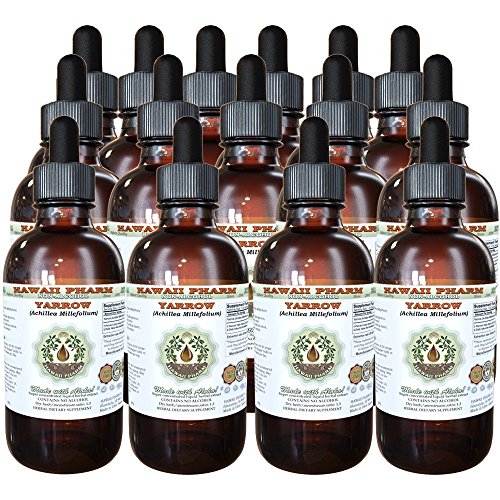
Highest Strength Yarrow NON-Alcohol liquid extract!
Management and Treatment Options
Effective management of sleep paralysis requires a combination of strategies focused on improving sleep hygiene and addressing underlying issues. Establish regular sleep schedules and create a comfortable sleep environment. Limit caffeine and alcohol intake, especially before bed. For episodes, practice techniques like focused-attention meditation and Muscle Relaxation to reduce anxiety. While no direct treatments exist for active episodes, employing breathing exercises or small movements, such as wiggling toes, may help regain control. Consider combined therapies addressing both hallucinations and anxiety, including Cognitive Behavioral Therapy and medications like Pimavanserin. Finally, effectively managing triggers like stress and sleep disorders is essential for prevention and reducing recurrences of sleep paralysis episodes. Durability is essential for individuals looking to create a cozy sleep environment, similar to selecting high-quality Euro sham covers. Maintain a supportive environment throughout these processes.
Recommended Products
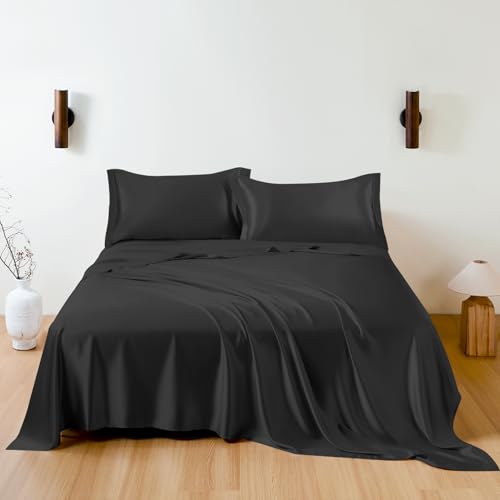
PACKAGE INCLUDES: You will have an exquisite king size set includes: 1 Flat sheet(108" x 102"), 1 Fitted Sheet(76" x 80"+16"), 2 Pillow Shams(20" x 36"). The depth of the bedsheet is 16 inches, which can effectively secure the mattress.

EXPERIENCE SUBLIME COMFORT EVERY NIGHT: Unwind with our Luxury 100% Mulberry Silk-Filled Pillows, where the interiors boast top-grade, 100% natural Mulberry Silk. Enveloped in a deluxe 300 thread count fine cotton sateen casing allowing all the goodness of silk to serenely seep through.

3-peat Winner of Good Housekeeping "Best Bedding Award" 2023, 2024, and 2025: Evercool Comforter won with proprietary premium fabric; Lab tested 2x cooler than silk for hot sleepers and night sweats; Comfortable all night with superior breathability and moisture wicking
Techniques for Prevention
Establishing effective techniques for the prevention of sleep paralysis begins with prioritizing a consistent sleep schedule. Aim for 7-9 hours of sleep each night to reduce REM disruptions. Improve sleep hygiene by creating a dark, quiet sleep environment, free from distractions. Limit caffeine intake and alcohol consumption, especially in the hours before bed, as both can interfere with sleep quality. Implement relaxation techniques, such as focused-attention meditation or muscle relaxation exercises, to promote a calmer progression into sleep. Maintain a sleep diary to record habits and identify personal triggers. Recognizing these patterns can empower individuals to develop tailored prevention strategies effectively. These methods collectively contribute to reducing the likelihood of experiencing sleep paralysis episodes, and investing in high thread count options like premium pillowcases may also enhance overall sleep quality.
Recommended Products

ANTI AGING, ANTI SLEEP CREASE, ANTI BED HEAD: Experience the ultimate beauty sleep with our Slip Pure Silk Pillowcase. Over 95% of users agreed that sleep creases, lines, and wrinkles were significantly fewer and less noticeable after using our product. Slipsilk is laboratory tested and hypoallergenic, making it the perfect addition to your skincare routine.

BEDDING SET INCLUDES: 4pcs Silk Sheets Set of 1 Fitted Sheet(76in x 80in, 16in deep pocket), 1 Flat sheet(108in x 102in) and 2 Pillowcases with zipper closure(20in x 40in).

15% MULBERRY SILK & 85% MODAL:Sheet set is made from natural grade 6A+ mulberry silk blended with plant cellulose. It is Oeko-Tex certified and made from pure plant materials. No chemical ingredients are added, and you’ll feel like you are in nature when you fall asleep.
Living With Sleep Paralysis
How does one navigate the challenges of living with sleep paralysis? Individuals may experience episodes of temporary muscle atonia, lasting seconds or minutes. During these episodes, emotional reactions such as fear, panic, and feelings of helplessness frequently occur, often accompanied by vivid hallucinations. To better manage sleep paralysis, individuals should focus on their breathing and try to move small body parts during episodes. It is important to reassure oneself that the experience is temporary. Maintaining good sleep hygiene can help prevent episodes. This includes establishing a consistent sleep schedule, reducing stress, and addressing any anxiety disorders. Poor sleep and sleep deprivation can worsen the situation, so prioritizing restful sleep is essential for well-being. Additionally, creating a calming environment with neutral tones like white, beige, or gray can enhance your overall sense of tranquility and comfort while sleeping.
Frequently Asked Questions
What Triggers REM Sleep Disorder?
Triggers for REM sleep disorders include nighttime anxiety, irregular sleep schedules, high stress levels, sleep deprivation, lifestyle habits, the effects of certain medications, and genetic factors, all of which can negatively impact the sleep environment.
What Are Common Triggers for Sleep Paralysis?
Common triggers for sleep paralysis include poor sleep hygiene, irregular sleep schedules, sleep deprivation, nighttime anxiety, and stress management issues. Additionally, caffeine consumption, sleep position, and substance use can considerably contribute to increased episodes.
How to Get Rid of Sleep Paralysis Demon?
To alleviate the presence of the sleep paralysis demon, individuals should focus on sleep hygiene, stress management, relaxation techniques, and mindfulness practices while maintaining a consistent sleep schedule and supportive sleep environment, potentially supplemented by natural remedies or medical interventions.
Does RBD Always Lead to Parkinson’s?
RBD does not always lead to Parkinson’s, although 40-60% face increased risks. Understanding RBD symptoms, diagnosis methods, and treatment options is essential to manage potential neurodegenerative progression and improve overall sleep quality and mental health.


