As an Amazon Associate, we earn from qualifying purchases. Some links on this site are affiliate links at no extra cost to you. Our recommendations are based on thorough research and editorial judgment.


Sleep Debt: Accumulation, Recovery, and Weekend Catch-Up Myths

Sleep debt builds up when people routinely do not get the necessary seven to nine hours of sleep. Recovery requires consistent sleep schedules, including longer nights of about 10 hours. Weekend catch-up sleep does not effectively compensate for lost rest and offers minimal recovery benefits. Aim for healthy sleep habits, such as regular sleep times and a conducive sleep environment. Understanding these principles is essential for long-term health and cognitive function. More insights await in the following sections.
Key Takeaways
- Sleep debt accumulates when actual sleep is insufficient, leading to negative health impacts and cognitive impairments.
- Recovery requires consistent sleep schedules, potentially needing 10 hours per night to effectively counteract sleep debt.
- Weekend catch-up sleep is largely ineffective, with most individuals failing to recover fully from sleep deficits.
- Short naps may help temporarily but cannot replace the necessity of regular, quality nighttime sleep.
- Prioritizing sleep hygiene, including consistent routines and a conducive sleep environment, is key for long-term health.
Understanding Sleep Debt
You may be interested


Sleep debt frequently occurs when individuals do not get the recommended amount of rest. A gap between needed hours of sleep and actual sleep creates this debt. For instance, missing two hours nightly results in a cumulative deficit. Over a third of Americans experience chronic sleep deprivation, with 40 million affected. Insufficient sleep can lead to serious health risks, including diabetes and heart disease. Recovery from sleep debt necessitates more than just extra sleep; it may take several days to restore one’s sleep patterns and mental performance. Maintaining a consistent sleep schedule is essential. Prioritize the quality of sleep over weekend catch-up sleep, as irregular habits can worsen overall sleep deficits and health outcomes. Incorporating herbal supplements like sleep tincture herbal drops can also support better sleep quality.
The Impact of Sleep Deprivation

Neglecting to prioritize adequate sleep leads to a variety of adverse effects on health and cognitive abilities. Sleep deprivation affects approximately 40 million Americans, resulting in chronic fatigue and decreased immune system function. People with accumulated sleep debt are more likely to develop long-term health issues, such as hypertension and obesity. Additionally, insufficient sleep drastically reduces cognitive functions, such as alertness, memory, and problem-solving skills, contributing to increased daytime sleepiness. Mental health suffers as well, with chronic sleep deprivation linked to mood disorders like anxiety and depression. Recovery from sleep debt requires time; ideal functioning may take days or weeks to restore. Prioritize sleep to maintain overall health and well-being, ensuring resilience against stress and illness. To enhance your comfort during recovery, consider investing in a lightweight bathrobe to help create a relaxing environment.
Recommended Products

Elegant Design: Women's wool coat has a luxorious look and feel; wear this jacket with any outfit to make a statement.

𝐏𝐑𝐄𝐌𝐈𝐔𝐌 𝐐𝐔𝐀𝐋𝐈𝐓𝐘 𝐂𝐀𝐒𝐇𝐌𝐄𝐑𝐄: Discover unparalleled luxury with our Grade "A" 100% cashmere robe, meticulously crafted in Nepal with 4-Ply weaving. Boasting a self-tie sash, shawl collar, side slit pockets, and full-length design, each robe offers exquisite comfort. Designed for a generously fitting silhouette, adorned with contrast piping, and available in sizes tailored for elegance, such as the small/medium size worn by our 5'6" model, these robes redefine indulgence.

𝐏𝐑𝐄𝐌𝐈𝐔𝐌 𝐐𝐔𝐀𝐋𝐈𝐓𝐘 𝐂𝐀𝐒𝐇𝐌𝐄𝐑𝐄: Indulge in the ultimate luxury with our high-quality lightweight robe men. Experience true opulence as 100% pure cashmere touches your skin. Crafted in Nepal from the finest 4-ply cashmere, these robes feature a waist belt, self-tie, side slit pockets, and are knee length. Generously cut, we recommend sizing down if between sizes. The model is 6' tall and is wearing a size small/medium.
Identifying Sleep Requirements

Understanding individual sleep requirements is essential for maintaining ideal health. Most adults need between seven to nine hours of sleep each night. Younger individuals, especially teenagers, often require more than eight hours. To identify personal sleep needs, consider age, genetics, and lifestyle factors. Examine your sleep habits and note how you feel after different amounts of sleep. Remember, sleep quality is just as important as sleep quantity. Disruptions can lead to feelings of fatigue, even if total sleep time seems adequate. Keep in mind that accumulated sleep debt can result in chronic sleep deprivation and various health risks. Regularly evaluating and adjusting sleep patterns will help individuals achieve optimal health. Prioritize rest to support overall well-being. Additionally, fabric breathability in your sleep environment can improve sleep quality, making it easier to recover from sleep debt.
Recommended Products

Premium Comfort & Easy Care - Enjoy cozy dining with breathable, durable polyester upholstery certified by OEKO-TEX Standard 100-safe for everyday family use. The plush, warm texture elevates any kitchen banquette or dining space, while the fully detachable, machine-washable cushion and pillow covers ensure effortless cleanup from everyday spills.

Full Foam Construction: Experience ultimate comfort with the Living&Giving sofa's full foam construction. This design ensures a consistently plush and supportive seating experience. The high-density foam maintains its shape and luxurious feel even after prolonged use, making it perfect for relaxation or entertaining guests.

Full Foam Construction: Experience ultimate comfort with the Living&Giving sofa's full foam construction. This design ensures a consistently plush and supportive seating experience. The high-density foam maintains its shape and luxurious feel even after prolonged use, making it perfect for relaxation or entertaining guests.
The Science Behind Sleep Recovery

Recovering from sleep debt involves more than just catching up on lost hours. Chronic sleep deprivation can hinder mental performance, requiring several nights of sleep to regain full cognitive function. Aim for a consistent sleep schedule to support recovery. Extended periods of 10 hours of sleep each night are often necessary to effectively counteract sleep debt. Short naps of 15-20 minutes can provide temporary relief but cannot replace regular nightly rest. Be cautious, as disrupted circadian rhythms complicate recovery from sleep deprivation. Irregular sleep patterns may prolong the negative effects on attention and performance. Prioritize consistent sleep habits for lasting benefits. Established routines will enhance overall health and improve alertness throughout your day. Additionally, utilizing adjustable loft pillows can contribute significantly to achieving a comfortable sleep environment that supports recovery.
Recommended Products
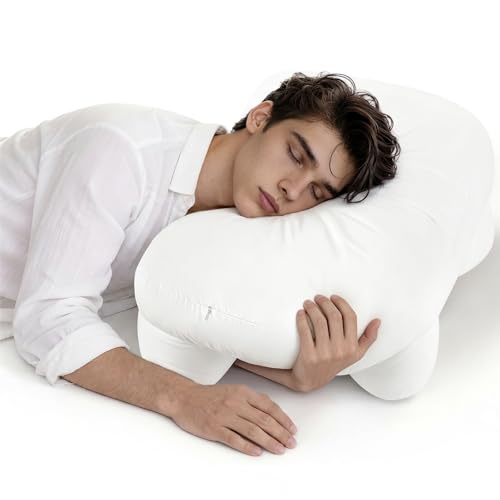
Ergonomic Design for Pain Relief – Neck, Shoulder & Spine Engineered specifically for side sleepers but also works for back and stomach sleepers. Helps relieve pressure points, reduce facial compression, and improve sleep quality. Wake up refreshed – no more stiff neck or achy shoulders. Perfect for side sleepers who experience discomfort from unsuitable pillows or poor sleeping posture.
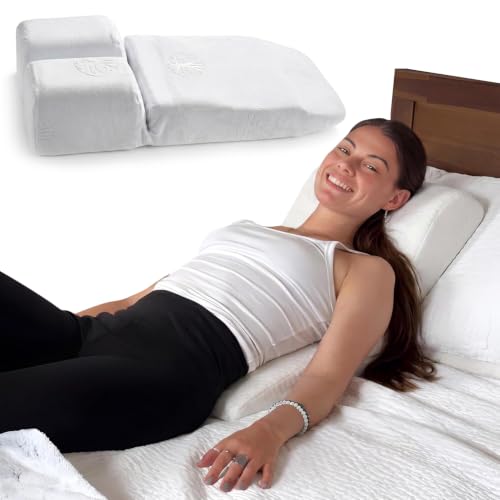
Why It Works Like No Other for Chronic Neck Pain - The DaVinci Pillow is uniquely engineered to “free-float” and decompress the cervical spine, rehydrate the spinal disks, and reduce inflammation to support the body’s natural healing process. Unlike traditional cervical pillows that fail to relieve pressure and decompress the neck, the DaVinci patented design transfers tension away from the cervical spine to the upper back and head, allowing the neck to fully relax and recover — similar to the stabilizing effect of a cast. This pillow alleviates neck, shoulder, and upper back discomfort like no other and saved the inventor from disk replacement surgery.

Four-Piece Recovery System, FSA: Arrange four separate memory-foam wedges into an upright or reclined setup for rest and elevation while recovering after surgery, then break them back down to reconfigure for your body and your bed.
Myths About Weekend Catch-Up Sleep

Although many people believe weekend catch-up sleep can fully compensate for sleep deficits, research indicates otherwise. Weekend sleep often lasts only two days, with diminishing benefits shortly after. Studies reveal that only 14.9% of men and 21.5% of women successfully recover from sleep debt over the weekend, showcasing a significant gender difference. Relying on catching up on sleep does not resolve the health risks linked to chronic sleep deprivation. Establishing a consistent sleep schedule is essential for overall well-being. Additionally, napping may disrupt one’s internal clock, preventing effective long-term recovery from sleep debt. Focus on maintaining regular sleep patterns instead of relying solely on weekend sleep to address sleep deprivation for healthier outcomes. A consistent sleep schedule can help individuals better manage their sleep habits and quality.
The Role of Napping in Sleep Recovery
What role does napping play in sleep recovery? Napping can help reduce sleepiness and enhance alertness. Short naps lasting 10 to 20 minutes are ideal for this purpose. They provide a quick boost without considerably disrupting nighttime sleep. About 27.4% of individuals nap on weekdays; their average duration is roughly 8.3 minutes. However, napping cannot fully compensate for sleep debt accumulated over time. Prolonged naps, exceeding 30 minutes, may lead to sleep inertia, causing grogginess and impairing performance. For effective recovery from serious sleep debt, multiple nights of extended nighttime sleep are often needed. Rely on short naps as a helpful tool, but prioritize consistent, restorative nighttime sleep for overall well-being and best functioning. Additionally, ensuring a bed bug mattress encasement can enhance sleep quality by reducing pest presence.
Recommended Products

Daytime sofa, nighttime guest haven: Napa transforms effortlessly from elegant lounge seating to a fully functional bed. The pull‑out bed mechanism is built with commercial grade strength, and the mattress tucks neatly away until you need it. It gives you the luxury of a formal sofa and the practicality of a guest bed without compromising on style or comfort.

Modular Customizable Outdoor Layout: Featuring fully independent seat components, this set allows free rearrangement (L-shape, U-shape, or separate seats) without disassembly. Its flexible design effortlessly adapts to decks, poolsides, and backyard entertaining spaces, letting you "mix and match as you like" to meet diverse seating and space needs—blending practicality with modern versatility for any outdoor setting

🧩 Flexible Modular Design: Rearrange each 29.5" wide seat effortlessly—create a welcoming U-shape for family movie nights or a space-saving, equal-length L-shape for cozy apartments. Adapt to room changes in minutes, no tools needed. Refresh your space anytime, any way you like.
Strategies for Improving Sleep Quality
Improving sleep quality requires consistent effort and attention to various habits. Prioritize consistent bedtime and wake times, even on weekends, to enhance sleep quality and prevent sleep debt. Create a sleep environment that is dark, cool, and quiet for better restfulness. Turn off digital devices at least one hour before bedtime to improve sleep hygiene and promote melatonin production. Incorporate physical activity into your routine on a regular basis. Aim for at least 30 minutes most days to positively influence sleep quality. Maintain a fiber-rich diet, including fruits, vegetables, and whole grains, to support healthy sleep patterns. Consider short naps of 15-20 minutes when needed to increase alertness without disrupting nighttime sleep. Additionally, using products with advanced cooling technologies can help regulate your body temperature and enhance your sleep comfort.
Recommended Products

NOVA LUXURY MEMORY FOAM MATTRESS: Featuring thermal gel memory foam for heat management and ventilation panels for continuous airflow, it ensures a consistently cool sleep. Skillfully designed for breathable support, it contours to your body, providing superior pressure relief by evenly distributing weight, reducing stress on crucial areas like shoulders and hips. Made with ultra-high-density foam, it guarantees lasting comfort and durability, resisting wear over time.

Triple-Stranded Pocketed Coil Technology in this king size mattress offers our most advanced level of individualized support and motion separation, so you can rest undisturbed

Triple-Stranded Pocketed Coil Technology in this king size mattress offers our most advanced level of individualized support and motion separation, so you can rest undisturbed
Importance of Consistent Sleep Patterns
Establishing consistent sleep patterns is essential for overall health. Maintaining regular sleep schedules prevents sleep debt and reduces the risk of chronic sleep deprivation. Adults typically need seven to nine hours of sleep per night. Going to bed and waking up at the same time daily helps optimize sleep health. Avoiding irregular sleep patterns can minimize mood disturbances and signs of depression. Turn off digital devices at least one hour before bedtime to create a restful atmosphere. Additionally, track individual sleep patterns and evaluate personal chronotypes. This personalized assessment can guide effective sleep management. Avoid the myth of weekend catch-up; sleeping in on weekends does not effectively counteract accumulated sleep debt. Ultimately, consistency is key to better sleep quality. Moreover, ensuring a comfortable sleeping environment with features such as waterproof mattress pads can enhance overall sleep quality.
Behavioral Changes for Better Sleep
To achieve better sleep, individuals must implement specific behavioral changes. Maintain consistent bedtime and wake time practices, even on weekends, to improve sleep quality. Limit screen time by turning off digital devices at least one hour before bed to enhance sleep hygiene and support circadian rhythms. Incorporate a fiber-rich diet and engage in regular physical activity, both of which can positively influence sleep. Consider short naps lasting 10-20 minutes to increase alertness without disrupting nighttime rest. Additionally, monitor sleep patterns by keeping a sleep log to track habits and develop accountability. These changes promote sufficient sleep, reduce sleep debt, and support overall well-being, ensuring a healthier approach to sleep management. Furthermore, utilizing relaxation light sleep devices can create a calming environment that aids in falling asleep more easily and improving sleep quality through sound quality options.
Long-term Health Consequences
Sleep deprivation carries significant long-term health consequences that individuals must acknowledge. Chronic sleep debt increases the likelihood of serious health conditions like hypertension, diabetes, obesity, and cardiovascular diseases. Insufficient sleep can lead to cognitive impairments, such as memory deficits and reduced mental performance, impacting daily life. Individuals should also note the connection between lack of sleep and mood disorders, including anxiety and depression, which arise from disrupted brain chemistry. In addition, sleep deprivation weakens the immune system, making one more susceptible to infections. It also exacerbates metabolic issues, leading to chronic inflammation and hormonal imbalances. Achieving sufficient sleep is critical for overall recovery and maintaining long-term health. Scalloped designs enhance the style of spaces, ultimately contributing to a more restful environment. Prioritize sleep to safeguard well-being.
Reframing Sleep as Preventive Medicine
Recognizing the significant role sleep plays in health can change perspectives on wellness. Prioritize consistent sleep patterns to enhance well-being. Regularly insufficient sleep increases health risks, including hypertension and diabetes. Adopt effective sleep hygiene practices, such as turning off screens at least one hour before bed. Create a dark and quiet environment to improve sleep quality. Understand your circadian rhythms by maintaining a steady sleep schedule. Track your sleep habits to identify personal needs and patterns. This awareness reinforces the importance of sleep as preventive medicine. It is essential to mitigate sleep debt, which can lead to serious health complications. Implement these strategies for better sleep and a healthier lifestyle, ensuring long-term well-being and health management.
Frequently Asked Questions
How Does Sleep Debt Affect Mental Health?
Sleep deprivation negatively impacts mental health, contributing to anxiety disorders, mood swings, and increased depression risk. It hinders cognitive function and emotional regulation, disrupts memory consolidation, and diminishes mental resilience, ultimately exacerbating stress responses.
Is There an Optimal Nap Duration for Recovery?
A 20-minute power nap, like a soft breeze, offers an ideal duration for recovery potential. Timed right, it enhances mood, boosts energy, and sharpens cognitive function while respecting napping etiquette through seamless alignment with sleep cycles.
Can Diet Influence Sleep Quality?
Diet considerably influences sleep quality through factors such as dietary impact, nutrients timing, hydration levels, sugar consumption, and caffeine effects. Additionally, meal frequency, bedtime snacks, and alcohol intake can further affect metabolic influence and overall restfulness.
What Role Does Exercise Play in Sleep Improvement?
Exercise plays a significant role in improving sleep quality. Regular physical activity, including aerobic exercises and strength training, enhances sleep hygiene. Additionally, incorporating relaxation techniques into a bedtime routine can lead to energized mornings.
How Do Age and Lifestyle Impact Sleep Needs?
Sleep needs gracefully shift over time, influenced by age impact and lifestyle changes. As hormonal influences and stress levels fluctuate, circadian rhythm variation emerges, often resulting in sleep deprivation and intensified aging effects on rest quality.


