As an Amazon Associate, we earn from qualifying purchases. Some links on this site are affiliate links at no extra cost to you. Our recommendations are based on thorough research and editorial judgment.


Linen Softening Over Time: Why It Gets Better With Washing

Linen softens over time through repeated washing. Typically, it requires 3 to 5 washes for noticeable softness. Use a gentle cycle with cold water and a mild detergent. Avoid bleach to maintain quality. After washing, damp ironing can enhance softness further. Regular use and washing loosen fibers, making linen more comfortable as it gets older. Proper care and washing techniques guarantee lasting durability and enhanced texture, leading to a more pleasant linen experience overall. Explore effective methods to optimize softness further.
Key Takeaways
- Linen fibers loosen and break down with each wash, leading to a softer texture over time.
- Repeated gentle washing on a cool cycle promotes gradual softening without damaging the fabric.
- Natural additives like vinegar and baking soda can enhance the softening process during washes.
- Damp ironing after washing further improves linen’s softness and overall feel.
- Regular wear and usage contribute to gentle abrasion, which enhances the fabric’s character and comfort.
You may be interested


Recommended Products

SIMPLE INGREDIENT - Environmentally safe phosphate designed to soften water and leave no hard water scale

100% PURE Uncoated Sodium Percarbonate, an excellent multi-purpose cleaning and bleaching agent for many tasks around your home. Uncoated Sodium Percarbonate is the best type for mixing, DIY, and cleaning around the home.

FRAGRANCE-FREE BABY LAUNDRY DETERGENT POWDER: Nellie's Baby Laundry Soda is a concentrated, fragrance-free baby laundry detergent powder formulated with a vegetable soap-based blend. Free from phosphates, chlorine, and unnecessary additives, it rinses clean without leaving residue behind on baby's delicate clothing, cloth diapers, and everyday essentials.
The Softening Process of Linen
How does linen achieve its renowned softness over time? The softening process of linen begins with repeated washing, where water loosens the fibers and gradually breaks them down. Achieving notable softness typically requires around three to five washes. Linen’s unique plant fibers engage with water and enzymes, creating a plush texture. To optimize softening, follow proper care instructions: wash linen fabric at 30°C or lower and utilize a gentle cycle. This approach preserves the integrity of the fabric while enhancing its comfort. For added softness, employ a damp ironing technique post-wash. Over time, linen evolves naturally, showcasing a relaxed appearance and improved softness, which emphasizes its breathable qualities and unique character. The remarkable moisture-wicking properties of linen further contribute to its comfort, ensuring a cool and dry sleeping environment.
How Long Does It Take for Linen to Soften?

The timeline for linen to soften varies based on care practices. Typically, it requires about 3-5 washes to achieve noticeable softness. Gentle washing during each wash cycle helps loosen the fibers gradually, enhancing the fabric’s texture. Use a temperature of 30°C or lower for proper washing, as this preserves linen quality. Early washes may give a brushed finish, further improving texture. To optimize softening linen, consider adding natural methods. For instance, vinegar helps to enhance the softening effect, while a cup of baking soda can also be beneficial. Additionally, ironing linen while still damp can improve softness. Over time, regular washing and correct care will lead to beautifully softened linen. Many people find that utilizing ergonomic features in their laundry routines can also contribute to a more comfortable process.
Comparisons: Linen vs. Cotton

Linen and cotton both serve as popular fabric choices, each exhibiting distinct characteristics. Initially, linen has a crisp texture, while cotton feels softer due to its seed fiber composition. With washing, linen develops a buttery softness, making it more pleasant over time. In contrast, cotton can lose durability with excessive washing.
Linen excels in moisture-wicking and breathability, making it ideal for warmer climates. It typically lasts longer than cotton due to superior strength. Additionally, linen is a more environmentally sustainable option, requiring fewer pesticides and less water in production compared to cotton. This makes linen a better choice for consumers concerned about ecological impact. Wool comforters also share the same moisture control benefits as linen, making them ideal for year-round comfort. Ultimately, both fabrics have their advantages, but linen stands out in durability and sustainability.
Recommended Products

HYPOALLERGENIC, BREATHABLE & ODOR-FREE: Perfect for those with allergies or sensitivities, our hypoallergenic design prevents allergic reactions by inhibiting the accumulation of allergens. Designed to promote airflow, these pillows are highly breathable, which helps to dissipate heat and moisture. Combined with odor-free materials, this ensures a relaxed, pleasant sleeping experience every night.

Convertible Cloud Couch Design: The modular sectional couch design ensures it blends seamlessly into any room layout, it can be flexibly placed to meet diverse needs, to suit spacious living rooms, apartments or cozy corners. With a robust 440 lb weight capacity per seat, this modular sofa adapts seamlessly to movie nights, family gatherings, or solo relaxation while maintaining unmatched structural integrity
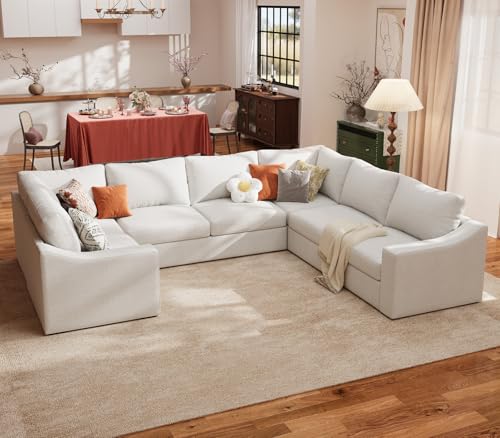
MODERN SECTIONAL SOFA - The ABCASA sofa range offers a versatile sectional design with loveseat, L, and U sectional options to suit different requirements. It is cost-effective, flexible, and customizable. It is the smart solution for maximizing your living space.
Washing and Drying Techniques

To achieve ideal softness in linen, employ specific washing and drying techniques. Regularly wash your linen in cold water using a gentle cycle. This will help loosen fibers and soften the fabric over time. Notice improvements after 3-5 washes. Avoid overcrowding the washing machine to guarantee thorough cleaning. Use mild detergent, avoiding bleach or brighteners, as these can diminish quality. Adding vinegar to the wash or rinse cycle can help naturally enhance softness. After washing, air dry your linen instead of using a dryer. This method improves softness by preventing damage from high heat. By following these washing techniques, you can maintain the quality of your linen and enjoy its luxurious feel longer, as natural cotton is known for its significant softness and moisture absorption properties, enhancing your overall comfort.
Recommended Products

INGREDIENT: Set contains 24 pieces of washcloths measuring 13 x 13 inches, 24 pieces of hand towels measuring 16 x 28 inches and 24 pieces of bath towels measuring 27 x 54 inches.

𝐎𝐏𝐔𝐋𝐄𝐍𝐓 𝐂𝐎𝐌𝐅𝐎𝐑𝐓: These towels are crafted from Egyptian Cotton pile fibers that are naturally strong, absorbent, and soft; heavyweight and plush; Set includes: 2 Hand (30"L x 16"W), 2 Bath (55"L x 30"W) and 2 Face Towels/Washcloths (13"L x 13"W)

HARD WATER? NO PROBLEM: 9 Elements helps purify fabrics from hard water metals and trapped odors. Use with your laundry detergent to soften fabrics and restore colors
Natural Wear and Its Impact

Natural wear plays a significant role in softening linen fabric over time. Regular use creates gentle abrasion, which helps break down the fibers, leading to a softer texture. Each washing process further loosens these fibers, gradually breaking them in. This softening of your linen occurs due to the unique fiber structure of linen, which interacts with plant enzymes. Over time, linen develops a unique character, similar to well-loved jeans, through everyday usage and consistent washing. Remarkably, linen maintains its durability while becoming more comfortable with natural wear. To optimize this process, wash linen frequently but avoid harsh detergents that could damage the fibers. Embrace the gradual transformation that enhances softness while preserving linen’s integrity. Additionally, their natural quality enhances aesthetic appeal, making them suitable for luxurious bedroom styles.
Enhancing Softness With Natural Additives
Softening linen can be enhanced effectively through the use of natural additives. Incorporate half a cup of white vinegar during the rinse cycle to adjust the fabric’s pH, promoting softness in the fibers. For added benefits, mix baking soda with water in the wash; this mild abrasive can help remove residue and soften the texture of linen. Epsom salt can also be used by soaking linen in warm water, which conditions the fabric and breaks down stiffness. Additionally, adding essential oils during the wash ingrains a pleasant scent while naturally softening linen. After washing, air dry the linen to maintain breathability and durability, ensuring the natural fabric receives the proper care and attention it needs for best softness. Many bed frames, such as the Mellow Naturalista Classic Solid Wood Platform Bed, can also enhance your sleeping experience when combined with soft linen sheets.
Recommended Products

100% FRENCH PURE LINEN: This 4-piece sheet set is made from 100% French pure linen, a natural fiber commonly used for bedding. The linen is naturally grown and processed, without chemical additives, AZO-free, not bleached or dyed, and suitable for everyday use, including for those with sensitive skin.

100% FRENCH PURE LINEN: This 4-piece sheet set is made from 100% French pure linen, a natural fiber commonly used for bedding. The linen is naturally grown and processed, without chemical additives, AZO-free, not bleached or dyed, and suitable for everyday use, including for those with sensitive skin.

100% FRENCH PURE LINEN: This 4 piece sheet set is made of 100% French pure linen, a natural and one of the strongest fibers people commonly use, naturally grown and processed, harvested in an friendly way, without chemicals or additives, certified AZO-free, not bleached or dyed, and safe for even the most sensitive skin
Caring for Your Linen Items
Caring for linen items properly guarantees their longevity and softness. Wash linen garments regularly in cold water with a gentle detergent. This prevents damage and maintains softness. To enhance the softening process, add baking soda or white vinegar during the wash. After washing, air dry your linen items instead of using a dryer. Air drying preserves fabric integrity and enhances their softness. Iron linens while slightly damp; this method improves texture and appearance. For storage, use breathable fabric bags. Keep your linen in a dark, dry place to prevent stiffness and maintain hydration. Following these care instructions will extend the life of linen items and keep them feeling soft and luxurious. Hypoallergenic properties can also contribute to a healthier sleep environment, making the use of linen even more beneficial for overall wellness.
Recommended Products

POPPY DESIGN: Our bestselling Poppy Handwoven Wool Rug instantly enlivens any space with its intricately handwoven stripes. Durable, densely woven, and softly textured, it's low-maintenance and will hold up well in busy spaces. Place it in a hallway or living room to add warmth and carefree sophistication.

HARRIS DESIGN: Part of our Designer Favorites collection of go-to rugs in timeless styles and a variety of durable constructions.<br><br>Crosshatched with hidden depths: Soft creamy backdrop and sketchlike graphic has modern understated appeal but look closely and you'll see six tweedy shades of greys, blues and black mottled and merged.

CAT'S PAW DESIGN: Hand hooked with smaller "mini" loops in a finer-gauge 100% wool yarn, our wool micro-hooked area rugs are flatter and less plush than our regular hooked rugs.
Frequently Asked Questions
Does Linen Get Softer After Washing?
Linen, contrary to fabric softener myths, becomes remarkably softer after washing, enhancing linen texture and durability. With proper washing techniques and eco-friendly options, frequency of washes reveals linen’s true benefits, debunking common misconceptions surrounding its care.
Does Linen Get Softer With Age?
Linen does become softer with age, benefiting from its durability, breathability factors, and texture evolution. Historical uses highlight its advantages over cotton, while proper fabric care guarantees color retention and long-lasting comfort throughout its lifespan.
How to Permanently Soften Linen?
To permanently soften linen, frequent washing techniques combined with gentle detergents and natural linen softening methods, like vinegar or baking soda, enhance fabric properties. Incorporating drying tips and consistent maintenance routines further improves softness over time.
Why Did Hospitals Stop Using Linen Sheets?
Hospitals ceased using linen sheets due to concerns over fabric hygiene and patient safety. The shift towards cost-effective linen alternatives, aligning with hospital protocols and laundry standards, prioritized patient comfort and met evolving historical trends in textile choice.


