As an Amazon Associate, we earn from qualifying purchases. Some links on this site are affiliate links at no extra cost to you. Our recommendations are based on thorough research and editorial judgment.


Duvet Washing: Front-Load Machines, Detergent Types, and Drying Balls

When washing a duvet, always use a front-load machine to prevent damage. Select a mild, down-specific detergent and follow the care label instructions closely. Inspect the duvet for tears and guarantee it fits comfortably in the washer. Wash on a gentle cycle, using warm water. Incorporate dryer balls during the drying process to maintain loft and prevent clumping. Fluff the duvet thoroughly after washing. Learn additional maintenance tips to prolong your duvet’s lifespan.
Key Takeaways
- Use a front-load washing machine with at least a 3.5 cu ft capacity to comfortably wash your duvet without damage.
- Select mild, down-specific detergents in minimal amounts to prevent residue buildup and avoid bleach and fabric softeners.
- Set the washing machine to a gentle cycle using warm water (around 95°F/35°C) for optimal cleaning of your duvet.
- Add clean tennis balls or wool dryer balls during the washing and drying process to maintain loft and prevent clumping.
- Always check for soap residue and fluff the duvet evenly after washing to ensure it dries completely and remains cozy.
Importance of Front-Load Washing Machines for Duvets
You may be interested


The importance of using front-load washing machines for duvets cannot be overstated. These machines provide gentle agitation, which is essential for washing delicate duvets. This unique action minimizes damage to the filling materials, particularly down. Additionally, front-load washing machines typically offer larger capacities. This feature is vital for maintaining proper washing performance and avoiding overcrowding. Efficient water usage guarantees thorough detergent distribution and effective rinsing, protecting duvet materials. Various wash cycles, including delicate and wool settings, cater specifically to duvet care. These machines also enhance the lifespan for duvets by reducing wear and tear, helping maintain loft and overall comfort. Users should prioritize front-load machines to achieve the best results when washing their duvets. No-drill installation techniques can also help in organizing laundry spaces without damage.
Recommended Products

Single-Unit WashTower Design: Integrated washer and dryer with a center control panel for easy, ergonomic operation in a compact vertical footprint.
![KoolMore 27" Front Load X-Large 4.5 Cu. Ft. Washing Machine with Quiet Inverter Motor, Steam and Water Plus Functions, 20-Minute Quick Wash, and 12 Washing Cycles [White] [120V] (FLW-5CWH)](https://m.media-amazon.com/images/I/41vNoY-tH6L._SL500_.jpg)
Premium Front Load Washer – Designed with an ultra-quiet inverter motor and front load access this washing machine with 12 washing cycles supports towels, jeans, delicates, fitness wear, and all other fabrics with seamless washing.

Spacious & Efficient: 5.0 cu. ft. capacity front-load washer handles large loads, saving time and energy.
Choosing the Right Detergent for Your Duvet

Selecting the correct detergent plays a considerable role in maintaining duvet quality. Opt for a mild detergent specifically designed for delicate fabrics, especially down. Use only a minimal amount to prevent residue buildup, which can negatively impact the duvet’s fluffiness and moisture-wicking properties. Avoid bleach and fabric softeners, as these substances can harm the natural oils in down feathers and lessen insulating qualities. If the duvet comprises synthetic materials, select a detergent formulated for those fibers. Always check the care label on the duvet for specific detergent recommendations and washing instructions. By choosing the right detergent, one can considerably extend the life and performance of their duvet, ensuring it remains comfortable and effective over time. Additionally, consider using hypoallergenic properties to enhance sleep health and comfort.
Recommended Products

Tough Action for Tough Stains: Our top load clothes washer features a Triple Action Impeller to tackle your toughest loads in three powerful ways: Spraying Action to attack dirt from every angle with a concentrated detergent mix, Wash Basket Action to move the wash basket back and forth, and Impeller Action to move clothes in a circular pattern

PACKAGE INCLUDES: You will have an exquisite king size set includes: 1 Flat sheet(108" x 102"), 1 Fitted Sheet(76" x 80"+16"), 2 Pillow Shams(20" x 36"). The depth of the bedsheet is 16 inches, which can effectively secure the mattress.

OH SO COZY & FAMILY / PET FRIENDLY - Snuggle up on this carded traceable washable wool mattress protector in soft 200 thread count organic cotton cover...in a luxurious champagne color! The wool fibers offer durable and natural, superior temperature control, humidity reduction and high breathability, up to 70% reduction in body heat retention for deeper restorative sleep. Protects your mattress, prolongs its life and promotes good sleep hygiene.
Pre-Washing Check: Preparing Your Duvet

How can one guarantee their duvet is ready for a thorough wash? Begin with a pre-washing check. Inspect the duvet for any tears, loose seams, or damage that could worsen during the wash. Next, refer to the care label for specific washing instructions, including recommended water temperature and detergent types. Verify that the duvet fits the washing machine’s capacity; at least 3.5 cubic feet is ideal for proper cleaning. Ascertain the duvet is balanced inside the machine to prevent strain during the wash cycle. For best drying, consider adding clean tennis balls or wool dryer balls to the dryer. This preserves loft and enhances drying efficiency. Additionally, ensure the duvet is free from any stains and spills that could impact its cleanliness prior to washing. Follow these steps to prepare the duvet correctly for washing.
Step-by-Step Guide to Washing a Duvet

Before initiating the washing process, gather the necessary items to guarantee a smooth experience. Check the duvet for tears and verify it fits in the front-load washer, which should be at least 3.5 cubic feet. Set the machine to a gentle cycle using warm water around 95°F (35°C). Add a minimal amount of mild detergent designed for down materials. To maintain loft and prevent clumping, include clean tennis balls or wool dryer balls in the wash. After the cycle, promptly remove the duvet and check for any residue. If necessary, run a second rinse cycle. For drying, choose to air dry the duvet or use a dryer on low heat until nearly dry to prevent mildew and preserve fluffiness. Additionally, using machine washable mattress pads can help maintain a clean sleeping environment by providing protection against spills and stains.
Recommended Products

ULTRAWEIGHT: This luxurious duvet insert is crafted with responsibly sourced down that’s triple-washed for a cleaner, lasting loft. Choose your ideal sleep temperature from three weights, available in Full/Queen and King/California King sizes
ULTRAWEIGHT: Hypoallergenic PrimaLoft Luxury Down Alternative fill mimics the weight and gentle loft of down. Choose from three weights to suit your ideal sleep temperature. Available in Full/Queen and King/California King sizes

Optimal Warmth for Cooler Nights: The Fossflakes Autumn Duvet is designed to keep you comfortably warm during fall or as a cozy year-round option for those who tend to feel cold at night.
Immediate Care After Washing Your Duvet

After washing the duvet, gently remove it from the machine to prevent any damage to the fabric or down filling. Inspect the duvet for any remaining soap residue; run an additional rinse cycle if necessary. Check the down filling’s distribution to confirm it is evenly spread. Monitor the duvet during the drying process to assure complete drying, which helps avoid mold growth from dampness. To improve fluffiness and maintain loft, consider adding dryer balls during the drying cycle. Their tumbling action reduces drying time and limits static cling. Keep an eye on the duvet throughout laundry day, confirming it is completely dry before storage or use to maintain its condition. Additionally, ensuring moisture-wicking properties in the duvet helps promote a comfortable sleeping environment.
Drying Techniques for Duvets
Drying a duvet requires careful attention to detail for best results. Begin by adding wool dryer balls to the dryer. This helps maintain loftiness and separates the fill for even drying. Use a low to medium heat setting to prevent damage to the duvet fabric. Check the duvet periodically during the drying cycle, which may last 30 to 45 minutes, to guarantee even drying and reduce static. If clumping occurs, redistribute the filling. Expect longer drying times, running multiple cycles if necessary. To enhance freshness, consider adding clean tennis balls alongside the wool dryer balls. This technique allows air to circulate, helping soften the duvet and reducing musty odors as it dries within medium loads. Remember that different duvet insert materials may require specific care instructions to ensure longevity.
Recommended Products
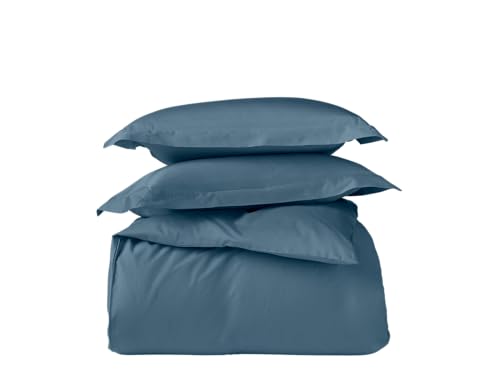
NATURAL COMFORT: Made from 100% GOTS-certified organic cotton sateen, this luxury duvet cover set delivers smooth, breathable softness and lasting comfort with the peace of mind of thoughtfully chosen organic materials.

Rest easy knowing that this cozy comforter is filled with ethically sourced feathers and down for a comfortable and responsible night's sleep

Jolie 3-Piece Garden Floral Diamond Patchwork Vintage Quilt Set Includes: 1 Quilt, 2 Shams
Benefits of Using Dryer Balls in the Drying Process
Utilizing dryer balls in the drying process enhances efficiency and improves fabric care. Dryer balls can notably reduce drying time by up to 25% or more, especially in larger loads. Their gentle tumble action separates fabrics, preventing clumping that leads to wrinkles. These balls also help soften clothes naturally, eliminating the need for chemical fabric softeners. Additionally, dryer balls effectively reduce static cling, which is particularly beneficial in dry conditions. To guarantee proper drying, incorporate dryer balls into each drying cycle. With a lifespan of up to 1,000 loads, regular care, such as cleaning with a lint roller and occasional washing, maintains their effectiveness, providing a reliable solution for effective laundry care. Furthermore, using high-quality wool dryer balls can offer a cost-effective and eco-friendly alternative to traditional fabric softeners.
Recommended Products
Quality - We produce our Dried Ginger Root essential oil using pure, natural, and raw ingredients.

Quality - We produce our Lavender essential oil using pure, natural, and raw ingredients.
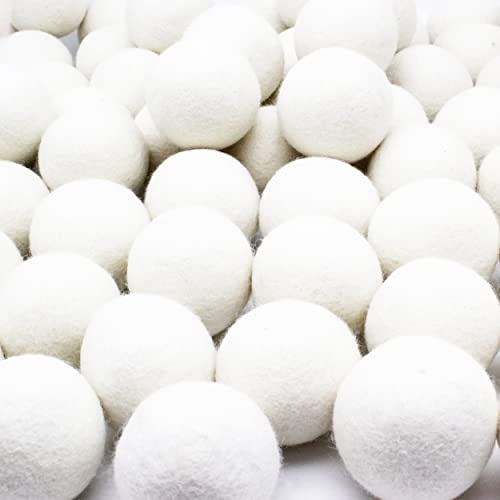
Reduce Drying Time & Energy Costs: Wool dryer balls improve air circulation, significantly reducing drying time by at least 25% per load. This translates to energy savings and a lower electricity bill.
Maintenance Tips for Longevity of Your Duvet
Maintaining the longevity of a duvet requires careful attention and regular care. Always use a duvet cover to protect against dirt and stains. This reduces the need for frequent washing, extending the duvet’s life. When washing, opt for a front-load machine with at least 3.5 cubic feet capacity. This guarantees gentle tumbling that won’t damage the duvet. Use a mild, down-specific detergent in minimal amounts to avoid residue buildup. Check for soap residue and run additional rinse cycles if necessary. During drying, add dryer balls to prevent clumping. This keeps the duvet fluffy and guarantees it dries evenly while minimizing drying time. Regular maintenance practices will keep your duvet in prime condition for years. Consider using high-density memory foam pillows to support your neck and ensure proper alignment while sleeping, enhancing overall comfort.
Frequently Asked Questions
How to Wash a Duvet in a Front Load Washer?
Washing a duvet in a front load washer involves selecting the proper duvet size, using suitable detergent options, adjusting water temperature, and setting an appropriate cleaning cycle with ideal spin speed for effective duvet care.
What Are the Different Types of Dryer Balls?
Different types of dryer balls include wool dryer balls, plastic dryer balls, tennis balls, essential oil balls, and silicone dryer balls. Options vary from eco-friendly and hypoallergenic choices to those designed for aromatherapy benefits.
Can You Use a Fabric Softener Ball in a Front Load Washer?
In a world of steam-powered laundry machines, fabric softener balls are best avoided in front-load washers, as they disrupt wash cycles. Consider fabric softener alternatives like dryer balls and follow bedding care tips for effective results.
How Many Wool Dryer Balls Should You Use in a Load?
For ideal laundry efficiency, three wool dryer balls are recommended for typical loads, with five to six for larger ones. This eco-friendly option effectively reduces drying time while enhancing fabric care, as outlined in essential maintenance advice.


