As an Amazon Associate, we earn from qualifying purchases. Some links on this site are affiliate links at no extra cost to you. Our recommendations are based on thorough research and editorial judgment.


Sleep Regressions: 4-Month, 8-Month, and 18-Month Patterns

Sleep regressions occur in infants at 4, 8, and 18 months, causing temporary disruptions in sleep patterns. At 4 months, expect frequent night wakings and shorter naps due to shifting sleep cycles. The 8-month regression involves increased fussiness linked to mobility and separation anxiety. At 18 months, cognitive developments lead to bedtime resistance. These regressions typically last 2-6 weeks. Implement consistent bedtime routines to manage changes effectively. For more strategies, continue to explore the topic.
Key Takeaways
- Sleep regressions are temporary disruptions in sleep patterns typically occurring around developmental milestones at 4, 8, and 18 months.
- The 4-month regression involves shifting sleep cycles, resulting in frequent night wakings and shorter naps.
- The 8-month regression is often linked to increased mobility and separation anxiety, causing fussiness and disruptions to established sleep.
- At 18 months, cognitive and language development may lead to resistance to bedtime and early rising, indicating another sleep regression phase.
- Consistent bedtime routines and adjustments to nap schedules can help manage sleep regressions effectively during these critical developmental stages.
What Is a Sleep Regression?
You may be interested


A sleep regression is an important phase in a child’s development. It typically manifests as a temporary disruption in sleep patterns, often causing increased night wakings and resistance to naps. Common regressions occur around significant milestones. The 4-month sleep regression marks a shift in sleep cycles, leading to more mature yet unpredictable patterns. Around 8-10 months, many experience the 8-month sleep regression, linked to increased mobility and separation anxiety. This often results in more frequent night awakenings. Finally, the 18-month sleep regression coincides with milestones like walking and language development, complicating bedtime routines. Sleep regressions are common, lasting about 2-6 weeks. They are essential for healthy growth and development, signaling changes in a child’s needs. During these periods, parents may find comfort in utilizing adjustable loft pillows that provide better support during nighttime awakenings and feedings.
Key Developmental Milestones and Sleep Changes

Key milestones in a child’s development greatly influence their sleep patterns. The 4-month sleep regression introduces significant changes, as babies adapt to mature sleep structures, leading to increased night awakenings and shorter naps. During the 8-month sleep regression, mobility like crawling impacts sleep, while separation anxiety hinders self-soothing abilities. At 12 months, children often resist naps and experience bedtime struggles due to walking and shifting from two naps to one. The 18-month sleep regression correlates with growing independence and testing boundaries, causing erratic sleep habits and early morning risings. Each sleep regression typically lasts between 2 to 6 weeks. Adjust sleep routines and environments to support children through these developmental milestones and their associated sleep changes. Incorporating a relaxing bedtime routine with calming aromas can also help create a soothing environment for better sleep.
The 4-Month Sleep Regression: What to Expect

What should parents know about the 4-month sleep regression? The 4-month sleep regression marks a significant change in a baby’s sleep patterns. During this period, babies experience frequent night waking and shorter daytime naps. Expect symptoms such as increased fussiness, crying when put down for sleep, and increased clinginess. These signs of sleep regression can last for about 2 to 6 weeks. Babies are evolving through developmental milestones and may require more time to practice new skills while awake. Additionally, changes around the baby’s environment can disrupt established routines. To ease this adjustment, parents should reinforce healthy sleep habits, ensuring consistent sleep routines whenever possible. This approach will help restore regular sleep patterns over time. Meanwhile, it’s important to choose a comfortable blanket, such as a breathable blanket, to help create a soothing sleep environment for your baby.
Recommended Products

It Include : SLEEP-NEST Extra Wide King Comforter 122x138 Pinch Pleated Duvet Insert with 8 Corner tabs 1 Piece All Season Down Alternative 350 GSM Medium Warm Oversized Quilts Breathable, Baby Pink

6 PIECE CRIB BEDDING SET INCLUDES: Crib Comforter (45in. x 36in.), Fitted Crib Sheet (52in. x 28in. x 8in. Pocket), Crib Skirt (52in. x 28in. x 15in. Drop), Long Panel Mesh Liner (11in. x 111in.), Short Panel Mesh Liner (11in. x 82in.) & Diaper Stacker (15in. x 20in. x 6in.). An infant crib set including all the baby essentials is a great value compared to purchasing pieces separately. This baby crib set is made of soft microfiber fabric & features a color palette of pink, grey and white.

6 PIECE CRIB BEDDING SET INCLUDES: Crib Comforter (45in. x 36in.), Fitted Crib Sheet (52in. x 28in. x 8in. Pocket), Long Panel Mesh Liner (11in. x 111in.), Short Panel Mesh Liner (11in. x 82in.), Crib Skirt (52in. x 28in. x 15in. Drop) & Diaper stacker (15in. x 20in. x 6in.). This baby crib set is made of 100% polyester microfiber fabrics. This infant crib set includes all your baby essentials & features the colors beige, ivory, hunter green, brown & black to bring your camo baby room together.
Understanding the 8-Month Sleep Regression

Understanding the 8-month sleep regression helps parents navigate this challenging phase. This regression typically occurs due to increased mobility, as babies learn to crawl and pull up. These skills can disrupt established sleep patterns, leading to increased fussiness and difficulty shifting between sleep stages. Separation anxiety may also develop, resulting in more frequent night awakenings and resistance to bedtime. Parents should establish consistent bedtime routines to create a calming environment. Allow opportunities for practice of new skills during awake time to alleviate nighttime distress. The 8-month sleep regression usually lasts 2 to 6 weeks, varying with the individual child’s development. This phase, while challenging, is part of normal growth and adaptation. Additionally, incorporating a comfortable sleep environment with reversible bedding options can enhance nighttime rest for both parents and babies.
Recommended Products

3-piece set includes one quilt, one fitted crib sheet and one decorative crib skirt

Beautiful floral 3-piece crib bedding set includes one quilt, one crib skirt and one fitted crib sheet

TRANSITION FROM SWADDLE: The HALO Baby Merlins Magic Sleepsuit helps babies move from swaddling to independent sleep while maintaining a cozy and secure feeling they love. Perfect for easing tricky sleep regressions and building better sleep habits.
Navigating the Challenges of the 18-Month Sleep Regression

Navigating the challenges of the 18-month sleep regression requires awareness of significant developmental changes. This phase often coincides with important developmental milestones, including increased independence and advanced language skills. Parents may notice resistance to bedtime, multiple night awakenings, and early rising. Expect these patterns to last two to six weeks. These changes are linked to cognitive advancements, particularly in self-awareness and separation anxiety. To support a smoother progression, maintain a consistent bedtime routine and adjust sleep schedules accordingly. Implement calming techniques, such as reading or gentle music, to soothe your child. Additionally, encourage daytime skill development to alleviate stress. This proactive approach will aid in mitigating the impacts of the 18-month sleep regression and foster healthier sleep patterns. Choosing a comfortable sleep environment, such as using a bed skirt with an 18-inch drop, can also contribute to improved rest and a sense of security for your child.
Recommended Products

✅ 18-Inch Drop – Extra Coverage for Deep Beds & Storage : Designed with an extended 18" drop to easily conceal deeper bed frames, taller box springs, and large underbed storage containers for a neat, elevated look.

Available for California King Bed(Mattress):85"x 72" With 18 Inches Drop.

Premium Microfiber: Made from high-quality, wrinkle free microfiber that is OEKO-TEX certified for safety and skin-friendliness. Soft, durable, and breathable, offering both comfort and long-lasting performance.
Signs Your Baby Is Experiencing a Sleep Regression
Many parents may notice various signs indicating that their baby is experiencing a sleep regression. Increased night wakings can be prevalent, especially if the baby previously slept through the night. Nap resistance often arises, with the baby struggling to fall asleep during the day, even when overtired. Parents might also detect increased fussiness or irritability, demonstrating an unusual need for comfort and more frequent crying. Additionally, shorter daytime naps and a decline in sleep quality can occur. This regression may cause early morning awakenings, resulting in babies waking earlier than their established sleep schedule. Recognizing these signs can help parents effectively address their baby’s changing sleep needs during these common developmental phases. During this time, it’s important to observe any shifts in sleep patterns to better understand your baby’s developmental changes.
Duration of Sleep Regressions: What Parents Should Know
When a baby enters a sleep regression, parents should be prepared for varying durations. Sleep regressions typically last between 1 to 6 weeks, with many resolving within 2 to 3 weeks when healthy sleep habits are followed. The 4-month sleep regression is a common sleep regression, marked by lasting changes to sleep patterns and usually resolving within 3 to 6 weeks. The 8-month sleep regression often coincides with developmental milestones and may last from 2 to 4 weeks. The 18-month sleep regression can extend from 2 to 6 weeks, influenced by increased independence. Duration of sleep regressions can vary widely among infants, so parents should know that some may experience only mild sleep challenges, while others face significant disruptions. Creating a comforting environment, such as using bed tents, can help improve sleep quality during these challenging phases.
Strategies for Managing Sleep Regressions
Effective strategies for managing sleep regressions focus on consistency and adaptability. Maintain consistent sleep routines to create a secure environment. Adjust nap schedules to meet a child’s developmental needs, particularly during periods like the 4-month sleep regression. Communicate necessary bedtime adjustments to address increased sleep resistance. Acknowledge that regressions are often temporary, lasting about 1-2 weeks, and practice patience. Encourage skill development during awake times to reduce fussiness, which can positively impact sleep. Stay flexible with your approach to reclaiming sleep routines after regressions. Establish a comforting bedtime ritual to signal sleep time. Understanding these strategies can ease the shift during sleep regressions and promote better overall sleep management for both child and parent. Additionally, using energy-efficient models of string lights can create a calming environment in the bedroom, which may help set the mood for sleep.
Recommended Products

Modern Staircase Chandelier: Elevate entryways with this gold high-ceiling chandelier; featuring (49 Droplets) and a 128-inch adjustable design, it creates a striking focal point for staircases, foyers, and open spaces

【Modern Large Villa Crystal Chandelier】Specification:Ceiling plate diamater is 48".Total length of wire is 120".The height cannot be adjusted.

Thoughtfully designed using hand-worked iron in a Pompeii Bronze finish with an off-white hardback cotton shade
When to Seek Professional Help
A proactive approach to any persistent sleep issues stemming from regression is essential. If sleep regressions last over 6-8 weeks, parents should seek professional help. Signs that indicate a need for guidance include excessive fussiness, difficulty staying asleep, or unusual behavioral changes. These symptoms may not align with typical regression patterns. Additionally, if a child shows any developmental delays or concerning symptoms alongside sleep issues, consulting a pediatrician is strongly recommended. A pediatric sleep consultant can provide personalized strategies to manage sleep regressions and improve overall sleep quality. Regular check-ins with a healthcare provider can guarantee parents receive appropriate support during difficult phases, helping them address any underlying health concerns effectively. Considering options such as magnesium sleep patches may also support better sleep for both parents and children during this challenging time.
Maintaining Consistency in Sleep Routines
Consistency in sleep routines is essential for promoting healthy sleep patterns in children. Establish a consistent bedtime routine to help signal sleep time. This provides security and predictability, reducing regressions. Maintain a set sleep schedule for naps and nighttime sleep. This helps prevent over-tiredness and enhances sleep quality. Adjust wake windows based on developmental needs to align with evolving patterns. Create a calming pre-sleep environment, such as a dark and quiet room, to minimize disruptions. Incorporate daily routines that balance active awake time and restful periods. This approach aids in maintaining consistent sleep habits as the child grows. Additionally, considering high-quality materials for bedding can contribute to a comfortable sleep environment. Prioritize these strategies to foster better sleep during critical developmental phases.
Recommended Products
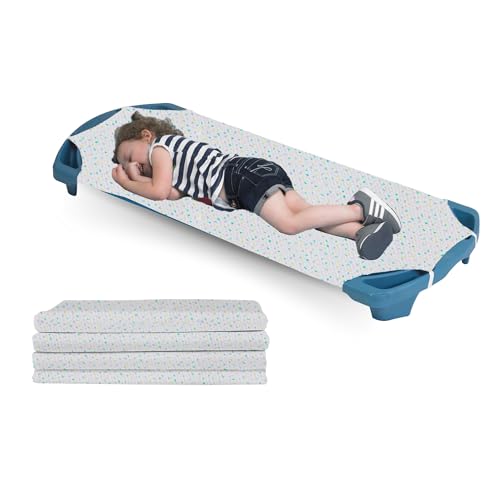
SECURE FIT FOR DAYCARE COTS: Designed with elastic loops at each corner, each daycare cot sheet securely fastens to cots for kids, ensuring a snug fit and a smooth sleeping surface.

Premium Egyptian Cotton – Luxurious 100% Egyptian cotton fabric, soft, breathable, and gentle on baby’s skin.

Welcome your little one home with a charming nursery filled with friendly forest water colored painted animals.
Frequently Asked Questions
What Is the Hardest Sleep Regression?
The hardest sleep regression often appears woven with threads of shifting baby behavior and emotional development. Parents, faced with regression signs, seek coping strategies and parenting tips, debunking common myths around baby sleep and evolving sleep patterns.
What Is the 5-3-3 Rule?
The 5-3-3 rule structures sleep patterns for toddlers, emphasizing awake times that cater to infant development. It supports parental planning with effective sleep strategies, enhancing nighttime routines, soothing methods, and emotional wellness through steady sleep environments and attentive sleep cues.
Do Toddlers Go Through a Sleep Regression at 18 Months?
Approximately 50% of toddlers experience a sleep regression at 18 months, influenced by developmental milestones. Effective sleep strategies, such as establishing a consistent nighttime routine, support toddler behavior during this critical rest phase while addressing emotional needs.
How Long Does Sleep Regression Last at 4 Months Old?
Sleep regressions at four months typically last between two to six weeks, influenced by evolving sleep cycles and developmental milestones. Parental support through comforting techniques, consistent daytime routines, and adjusted sleep environments can help manage crying patterns.


