As an Amazon Associate, we earn from qualifying purchases. Some links on this site are affiliate links at no extra cost to you. Our recommendations are based on thorough research and editorial judgment.


DIY Headboard Projects: Upholstery, Mounting, and Material Choices

To create a DIY headboard, gather essential materials such as plywood, high-density foam, and upholstery fabric. Cut the plywood to your desired dimensions, then securely attach the foam. When applying fabric, stretch it taut from the center, ensuring no wrinkles. Use a French cleat system for stable wall mounting. Regularly check for stability and maintenance needs. By following these steps, projects can achieve a professional look and durability in design. Discover more techniques and tips to enhance your project.
Key Takeaways
- Choose durable upholstery fabric like linen or velvet and select high-density foam for a comfortable headboard design.
- Maintain a clean workspace, cutting plywood accurately, and preparing all materials for efficient upholstery.
- Utilize a staple gun to secure foam and fabric, stretching the material from the center outward for a neat finish.
- Mount the headboard securely using a French cleat system, ensuring it is level and stable against the wall.
- Regularly inspect and maintain the headboard by cleaning upholstery and checking for wear on foam and mounting hardware.
Project Overview and Required Materials
You may be interested


To begin the DIY headboard project, one must gather all necessary materials and tools. This project overview involves selecting the size and shape of the headboard. The essential materials include plywood or MDF for the base, high-density foam for padding, batting for a smooth finish, and upholstery fabric for the outer layer. The costs can range from $100 to $500, making this a more affordable option than store-bought alternatives. Necessary tools include a staple gun, scissors, measuring tape, and possibly a jigsaw for cutting the wood base. Preparation involves ensuring all materials are ready, the fabric is ironed, and the wooden base is cut to desired dimensions. This sets the foundation for a successful upholstery process, ensuring a timeless design that complements various bedroom aesthetics.
Fabric and Foam Selection

Selecting the right fabric and foam is essential for a successful headboard project. Begin by choosing durable upholstery fabric such as linen, velvet, or faux leather. Guarantee to purchase extra fabric for pattern matching and mistakes, aiming for approximately 2 meters. Next, select high-density foam for desired comfort; thickness typically ranges from one to two inches. This provides adequate padding for the headboard. When using batting, opt for a larger piece than the plywood base, which guarantees full coverage and smoothness beneath the fabric. Additionally, consider thicker batting, around 2-3 layers, to enhance the overall appearance and feel of the upholstery. These choices contribute to a well-crafted, stylish, and comfortable headboard for any space. Furthermore, selecting fabrics with hypoallergenic properties can improve overall comfort for sensitive individuals.
Recommended Products

DURABLE HIGH DENSITY FOAM: Our firm high density foam is long lasting and ideal for furniture that gets a lot of wear and tear. With a density of 1.8 our foam is extra tough yet comfortable while still affordable. Our upholstery foams last 7-10 years

ABOUT OUR FOAM: Our foam is certified for the highest quality. Our foam features are Density:1.8 Compression:44 ILD, with a 100% recovery rate durability. Our foam is great for revitalizing your worn-out chairs, sofas, cushions, and other high-density replacement foam. Our foam is uniquely formulated to provide the perfect balance of support, comfort, and durability. High density firm foam is designed for heavy traffic and high use applications. Our firm foam is designed to last from 7-12 years.

Material: Polyurethane foam, made in the USA.
Construction Preparation and Upholstering Techniques

A clean and spacious work area facilitates the upholstery process. Begin by cutting your plywood base to size. Hardware stores often offer cutting services to promote accuracy. Next, when cutting your foam, make sure it fits perfectly on the plywood. Use a staple gun to secure upholstery-grade fabric to the back of the headboard. Stretch the fabric taut from the center outward to avoid wrinkles. Neatly fold the fabric at the corners, similar to wrapping a present, and then trim any excess to reduce bulk. For durability, heavy-duty staples are recommended. Finally, consider adding decorative elements, such as nailhead trim or tufting, to enhance the visual appeal of the upholstered headboard. Investing in down pillow support can create a cohesive design for your bedroom space that harmonizes with your new headboard.
Recommended Products

Content: 100% PVC Patent and Polyester Backing | Stretch: None | Width: 52" Wide | Weight: Approx 3 LBS Per Yard | Fabric Type: Vinyl

Boucle fabric is suitable for furniture and home accessories. It's ideal for interior design projects.

Material: PVC Leather and Foam Backing. Width : 150cm Wide. Stretch : None. The inner lining is compound with sponge, which is softer and more comfortable. Easily cleaned with just a damp cloth.
Mounting Your DIY Headboard

Mounting the DIY headboard securely guarantees both stability and aesthetic appeal in the bedroom. To mount a headboard on the wall, consider using a French cleat system. Mark the desired height and use a leveling tool to verify accuracy. This method allows for easy installation while keeping the headboard level. For those attaching the headboard directly to the bed frame, make certain to check compatibility with existing holes or brackets. It is essential to attach two sturdy brackets to prevent wobbling. If extra inches are needed, adjust the height accordingly. Always use wall anchors when hanging the headboard on the wall, making sure it remains stable to avoid accidental tipping or falling during use. Additionally, consider the weight capacity of the bed risers to ensure overall stability and support for the combined weight of your bed frame and headboard.
Recommended Products

【Solid Aluminum Construction & Hold up to 500 Pounds】- Say goodbye to worries about your hanging items falling due to insufficient load-bearing capacity! Unlumm French cleat hanger is crafted from heavy-duty, 3 mm thick aircraft-grade aluminum, providing exceptional strength and durability. Keep your valuable equipment securely mounted on the wall with this reliable heavy duty french cleat hanger, rigorously tested to support up to 500 pounds. Enjoy peace of mind knowing your items are safe and secure

Versatile Mounting Solution: Ideal for mirror brackets for wall mounting. supports wood frames up to twenty inches wide. perfect for creating sleek displays with heavy duty mirror hanging kit. compatible with cabinets and whiteboards

This sturdy Upholstered headboard has superior construction, and shows in elegance beautiful appearance
Troubleshooting Common Issues

After securely mounting the DIY headboard, troubleshooting common issues becomes important for ensuring quality and safety. Wrinkles in the upholstered fabric can be avoided by using a steamer, or by ensuring the fabric is tightly stretched and stapled. For uneven padding, add extra strips of batting to lumpy areas for a smoother surface. If the headboard feels unstable after mounting, check that the French cleat is firmly attached, and all screws are tightened. When addressing button placement, pre-drill pilot holes to guide the buttons and minimize fabric damage. Additionally, practice corner folding techniques using scrap fabric to hone your skills before working with the final piece. These steps will enhance the overall look and stability of your headboard. Consider choosing high-quality upholstery materials, such as soft boucle fabrics, to improve durability and aesthetic appeal.
Adding Decorative Elements
Adding decorative elements to a headboard can greatly enhance its visual appeal. First, consider using decorative nailhead trim to frame the edges of upholstered headboards, offering a sophisticated finish. Tufting with buttons or fabric-covered tufts provides a stylish, luxurious look, adding both structure and elegance. Choose bold upholstery fabrics, like vibrant patterns, to make your headboard a focal point in the room. Incorporate contrasting welt cord around the edges, which highlights the headboard’s shape and lines. Additionally, personalize the design with unique embellishments such as embroidery or stenciling, allowing the headboard to reflect individual style. These techniques work together, ensuring a professional and customized look that transforms any bedroom space creatively. For an added touch, consider integrating headboard LED light strips to create an atmospheric glow that complements your decorative choices.
Recommended Products

Includes bookcase headboard, footboard, under bed storage with side rail and slats
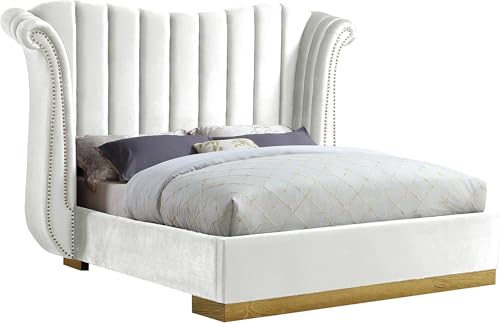

Modern Yet Contemporary King Bed Frame: Nailhead trim along the footboard and side edges adds a classic decorative element, while sleek silver metal legs deliver a modern twist. The combination of vintage flair and contemporary accents makes this bed versatile for various decor styles
Layering and Securing Materials
Begin by laying wadding flat on the headboard. Make certain that the wadding overlaps the edges by 15 cm for complete coverage. Place foam on top of the wadding, making sure of an even layer. Use a staple gun to secure the foam and wadding to the headboard’s back. Start stapling from the center, leaving corners unstapled for smoother folding later. For a tidy appearance, fold the fabric corners neatly before stapling them in place. Measure the desired height for the headboard legs and mark their placement accurately. Drill pilot holes to prevent tearing during installation. Finally, install a French cleat to securely hang the headboard on the wall, making sure one part is level on the wall and the other on the headboard’s back. Choosing a rustic reclaimed wood headboard can elevate the aesthetic of your bedroom significantly.
Cutting and Shaping the Headboard Base
Cut out the headboard base using a ½ inch MDF or plywood sheet. Begin by selecting the desired width at a local home improvement store. Use a jigsaw to carefully cut the shape of the headboard, ensuring symmetry on both sides. To enhance height, glue extra pieces of scrap MDF or plywood to the bottom. After cutting, lightly sand the edges for a smooth finish. Use a center line to maintain balance and trace the outline for consistent design. Next, lay the foam around the board, ensuring it fits correctly. Finally, place the plywood on top of the foam for added stability. Following these steps will create a solid foundation for your headboard project. Additionally, ensure that the foam you choose has breathable materials to prevent heat retention and improve overall comfort.
Recommended Products


Have an Upscale Looking Bedroom with the Lenyx Bed by Manhattan Comfort, Featuring a Timeless Minimalist Design and Beautiful Faux Leather Upholstery in a Gorgeous Saddle Color.
Final Tips for Success
Success in a DIY headboard project relies on careful attention to detail. Start by selecting durable upholstery fabric, like linen or faux leather, for longevity. Use high-density, thick foam—at least one inch thick—for comfort. When adhering the foam, make certain you pull the fabric taut and staple along the edges, securing from the center outwards to avoid wrinkles. For a polished finish, consider gorgeous options like decorative trim or tufting. Pay close attention while folding corners and placing buttons for a professional look. After positioning the headboard, regularly check its level and stability while tightening screws or adjusting the mount as needed. Additionally, selecting high-quality materials will ensure long-lasting durability and support for your DIY headboard. These steps will guarantee a visually appealing and functional headboard for years to come.
Frequently Asked Questions
What Is the Best Material for Upholstered Headboards?
The best materials for upholstered headboards include high-density foam types for padding thickness, durable fabric choices like linen or velvet, sturdy wood frames, effective staple techniques, diverse design styles, and easy maintenance tips for longevity.
Is It Cheaper to DIY a Headboard?
Yes, a cost comparison reveals that DIY headboards offer significant savings. Budget tips suggest that material expenses for crafting a headboard can reduce pricing by at least 50% compared to store-bought options, maximizing DIY savings.
Why Does No One Use Headboards Anymore?
Few embrace headboards nowadays due to modern bedroom trends favoring minimalist design, prioritizing functionality over aesthetics, adopting personal style choices, utilizing space-saving solutions, exploring alternative bedding options, and making cost-effective investments in their spaces.
What Are Easy DIY Headboard Ideas?
Like a canvas awaiting art, easy DIY headboard ideas include minimalist designs with repurposed materials, vintage inspiration, and fabric choices. Incorporating wood styles, tufting techniques, and wall-mounted options creates unique, personalized statements in any bedroom.


